Building the Next Generation of Commercial Real Estate Nerds
Two years ago, I had an idea.
I wanted to give college students something I wish more people had given me when I was coming up: a chance to get out of the classroom and experience what the real world actually feels like.
So I helped create the BOMA Idaho Commercial Real Estate Development Case Competition.
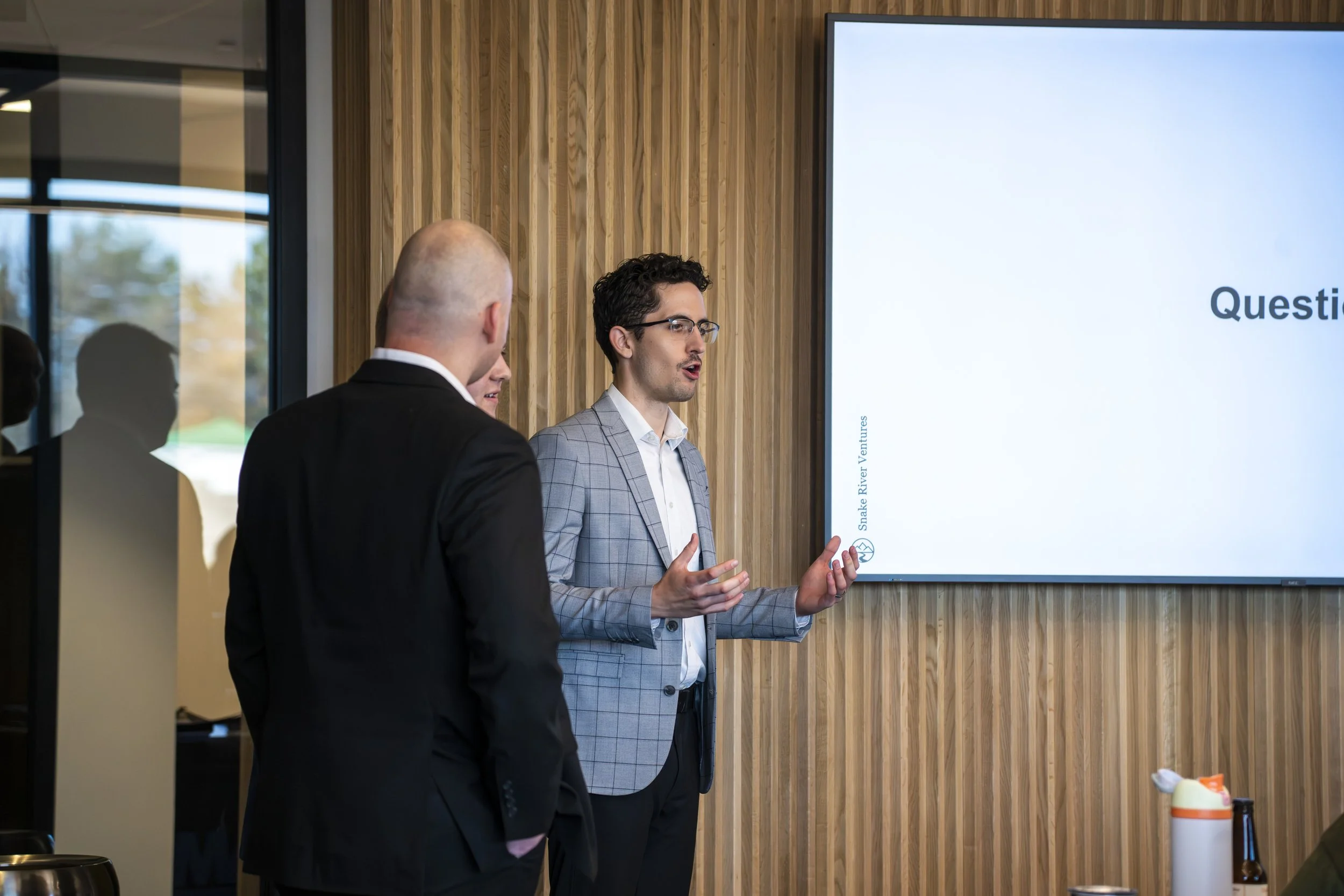
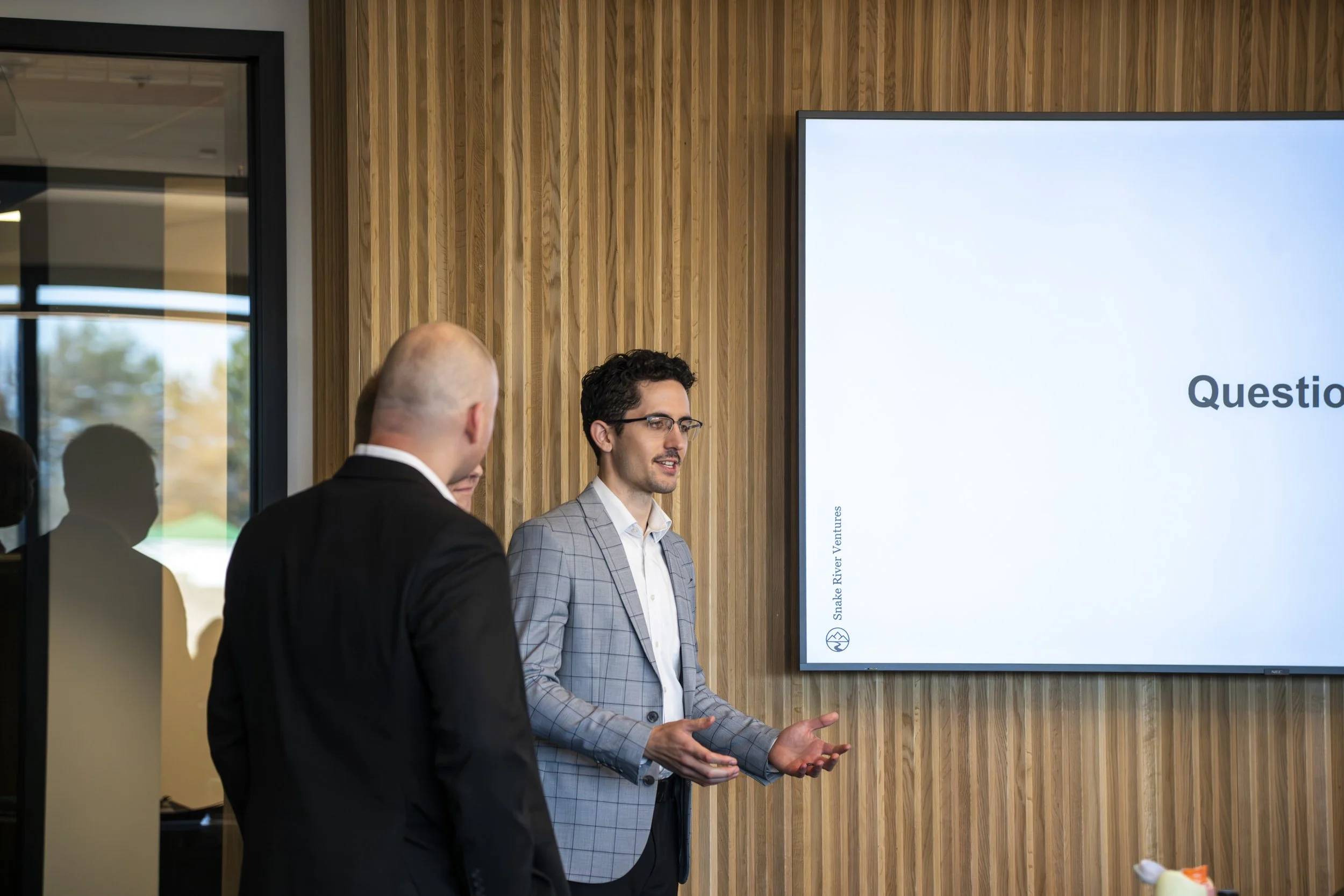
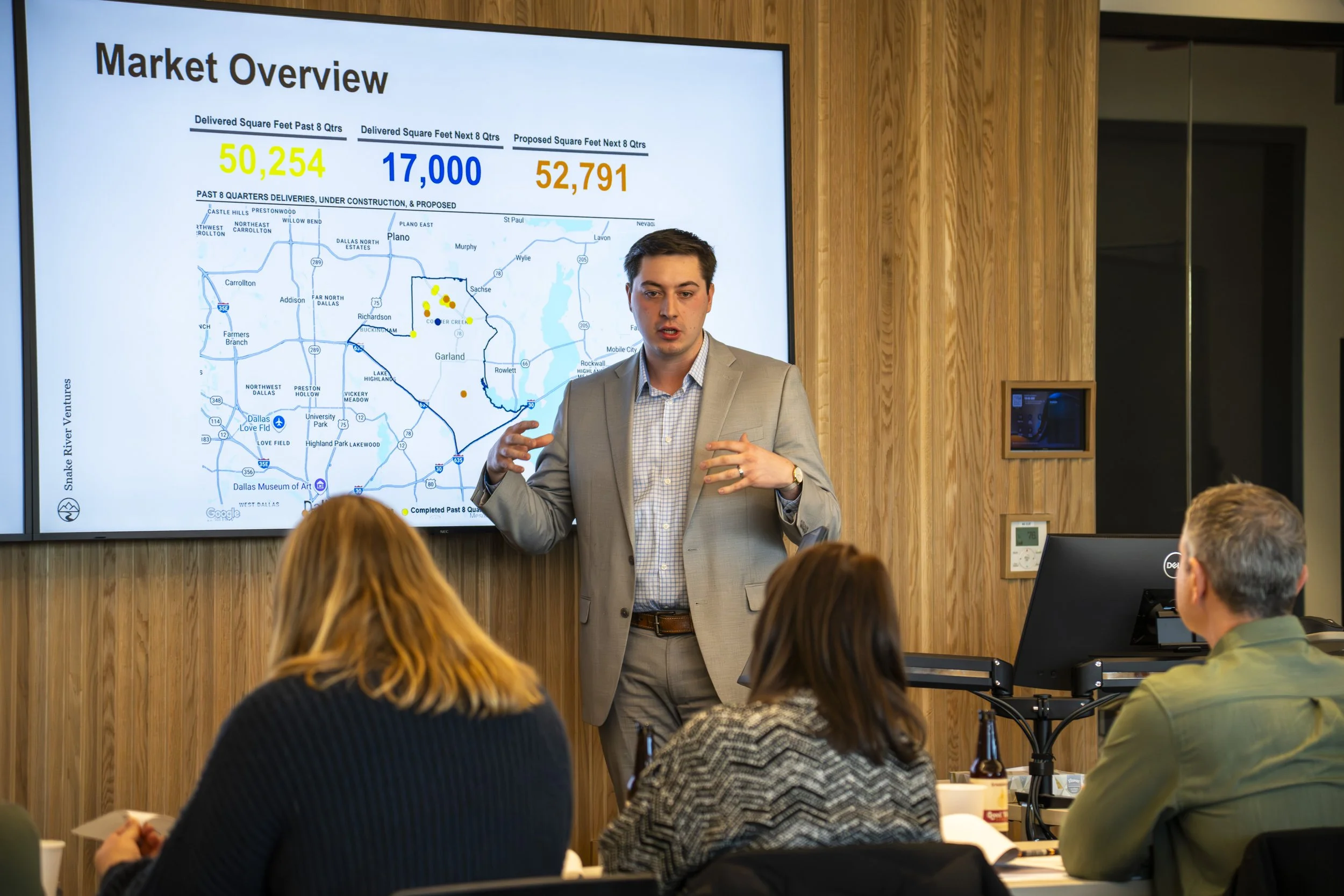
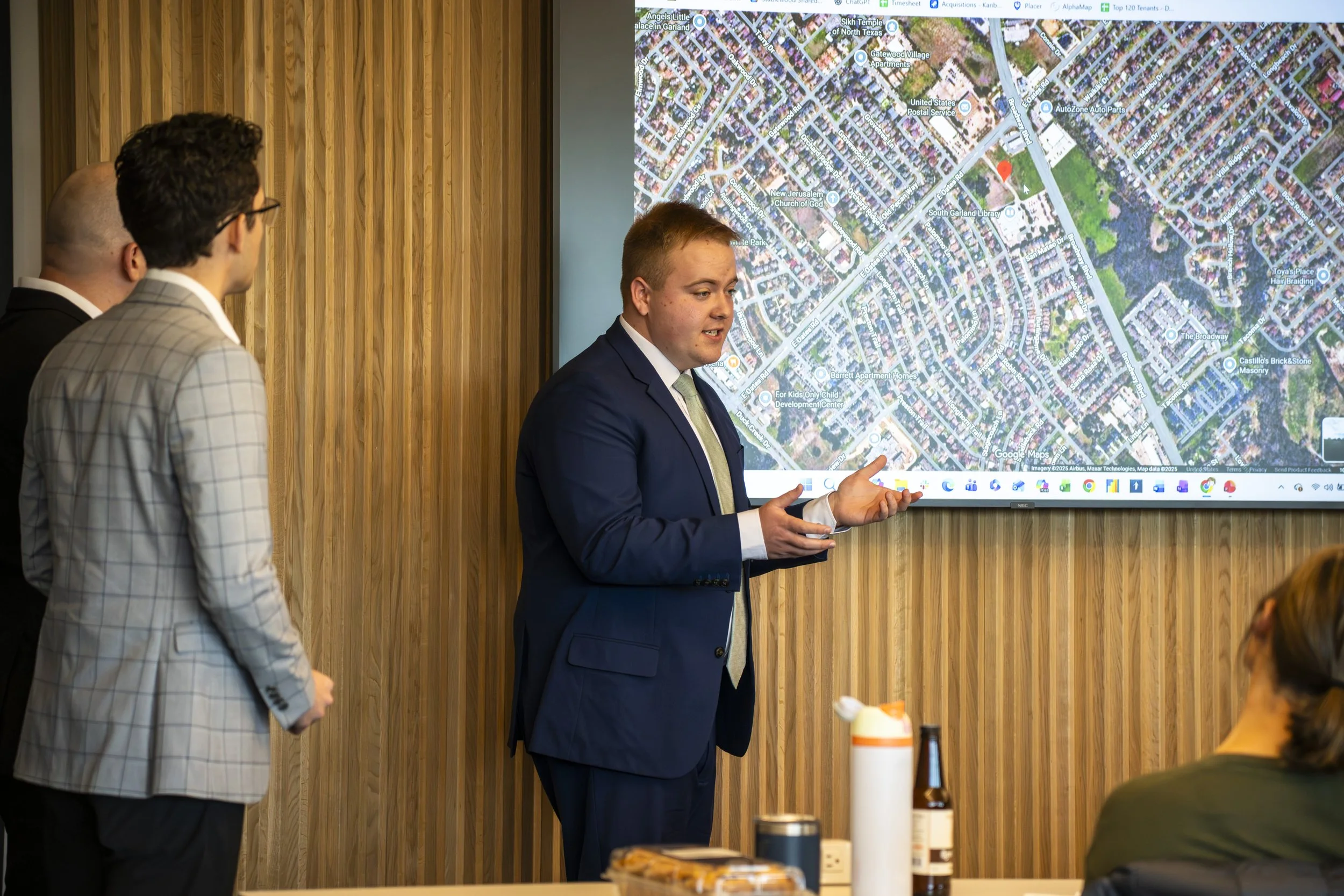
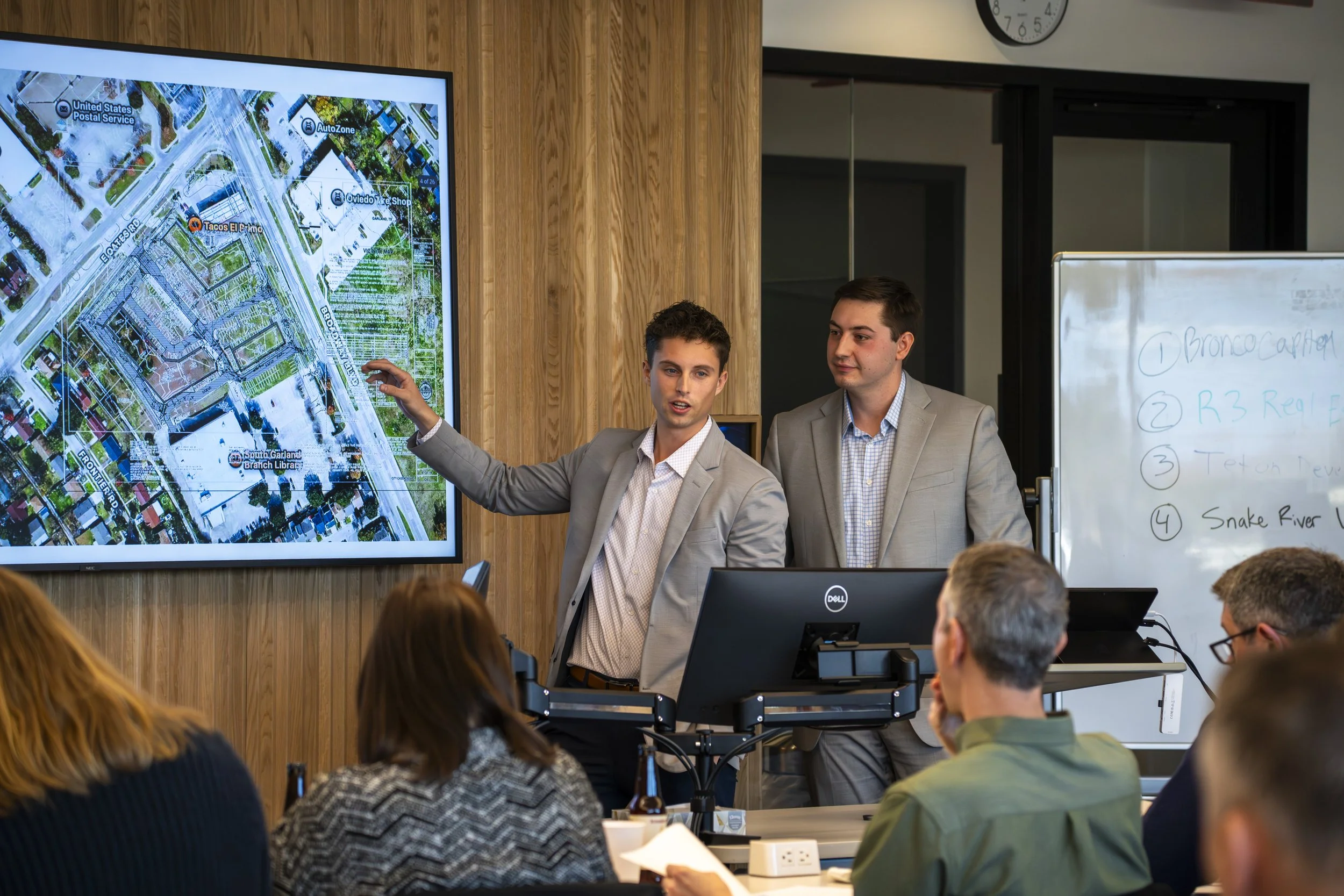
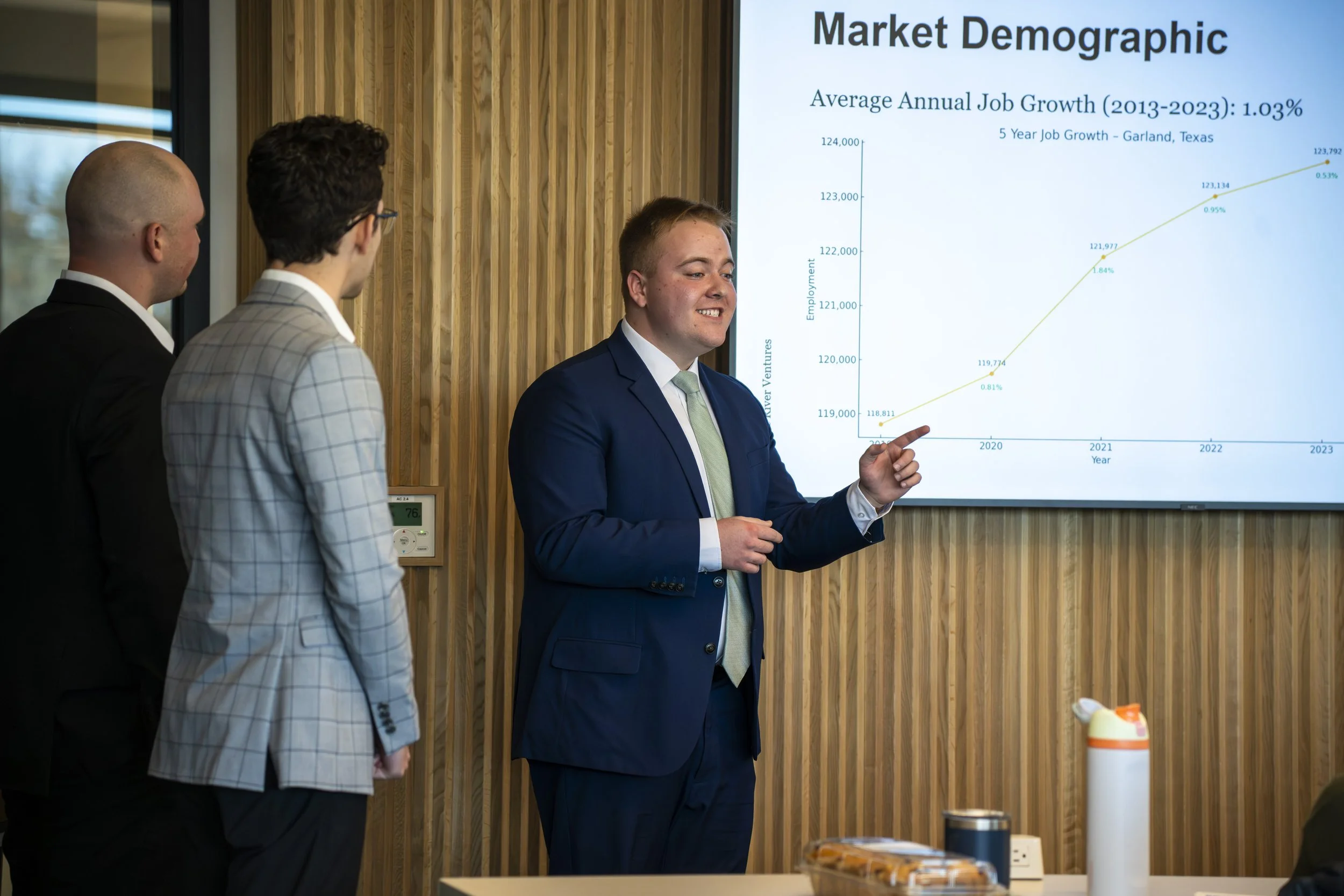
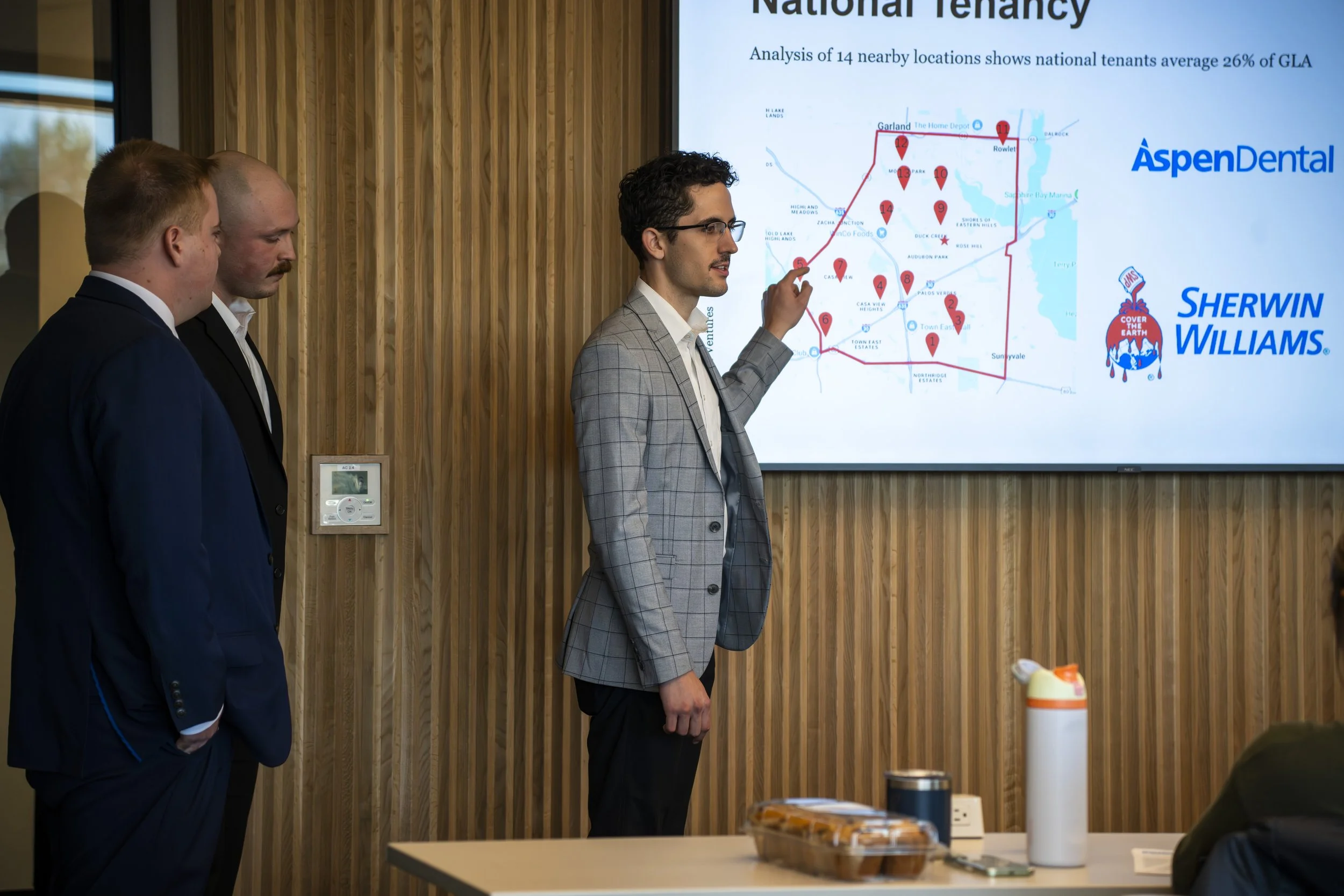
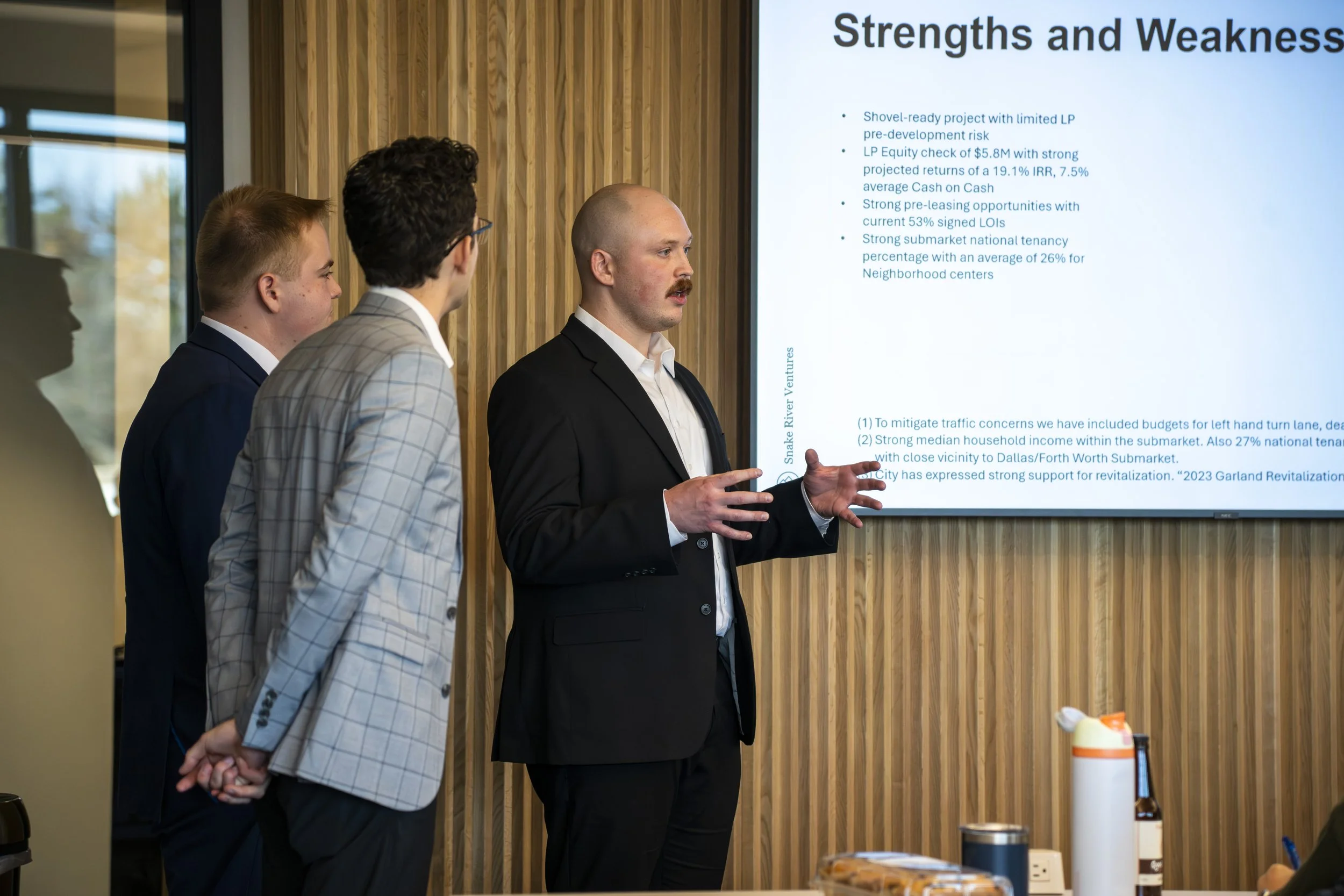
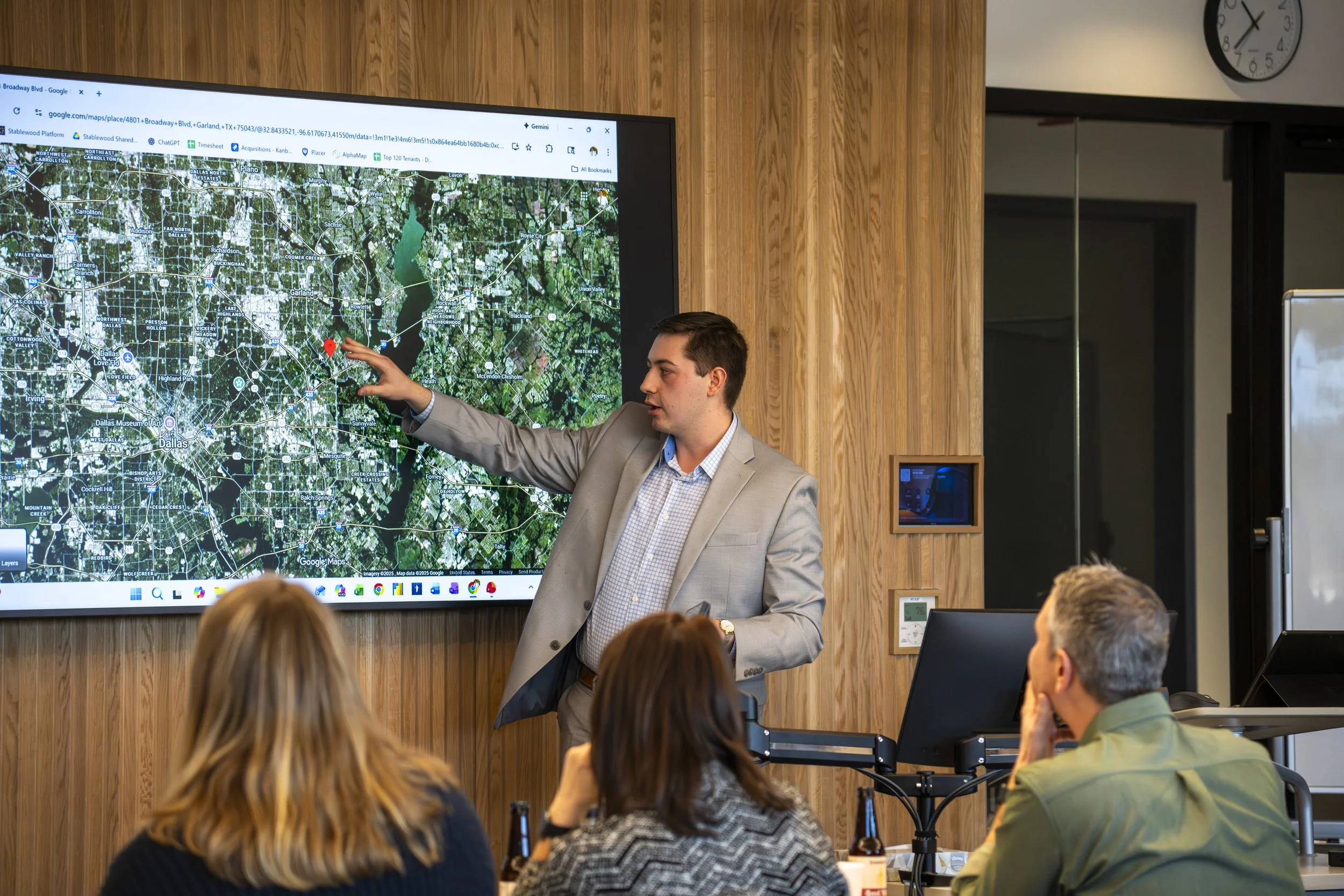
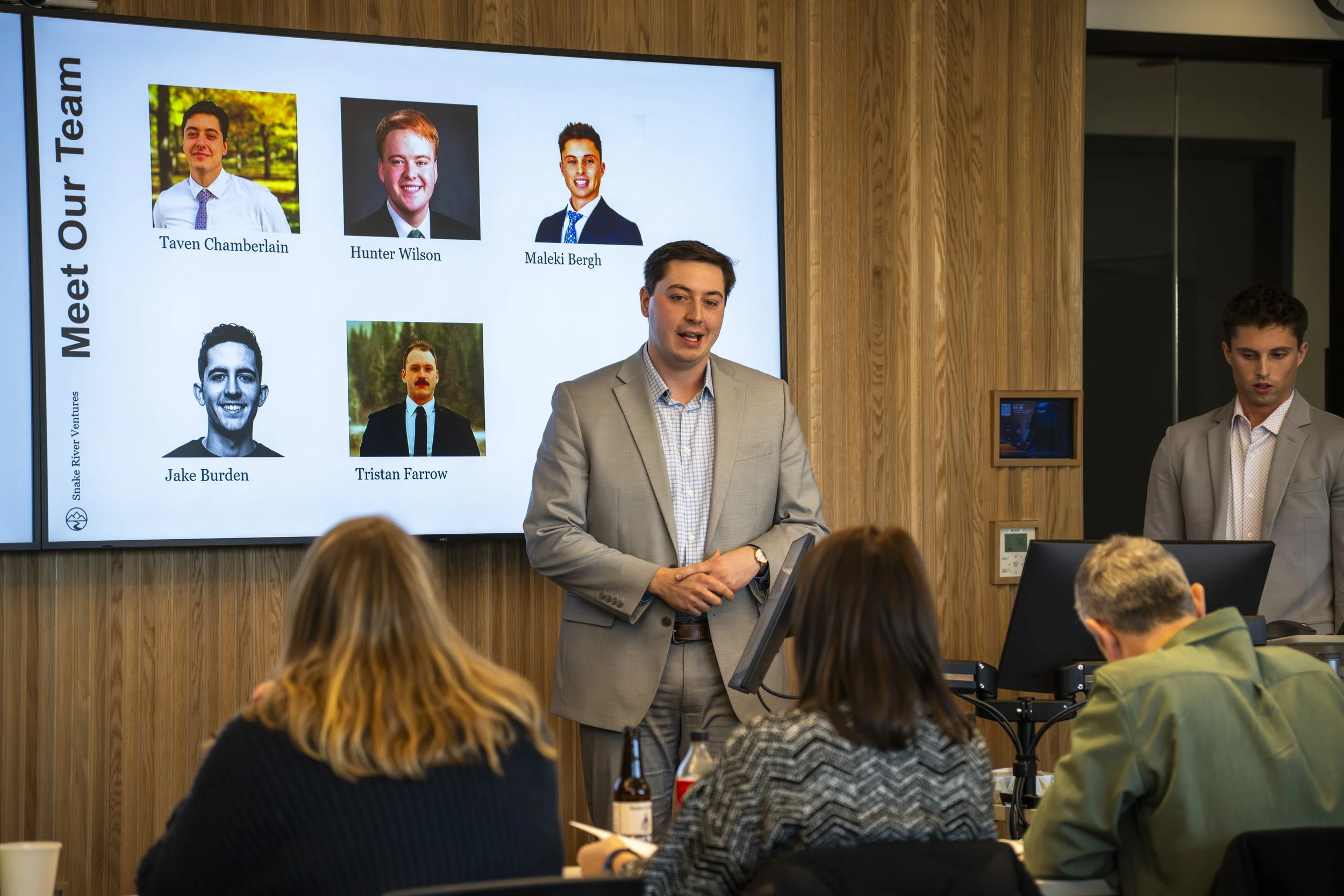
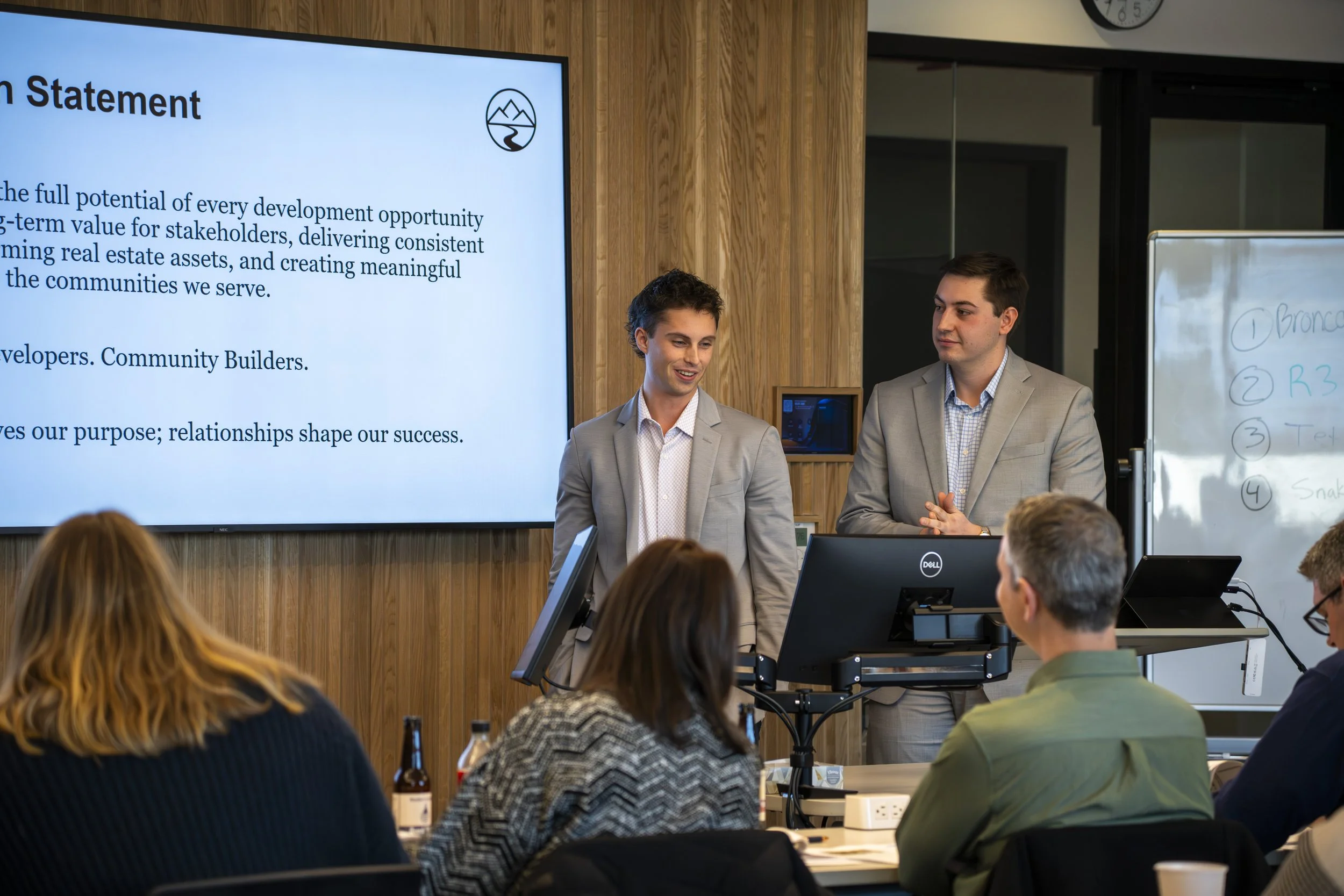
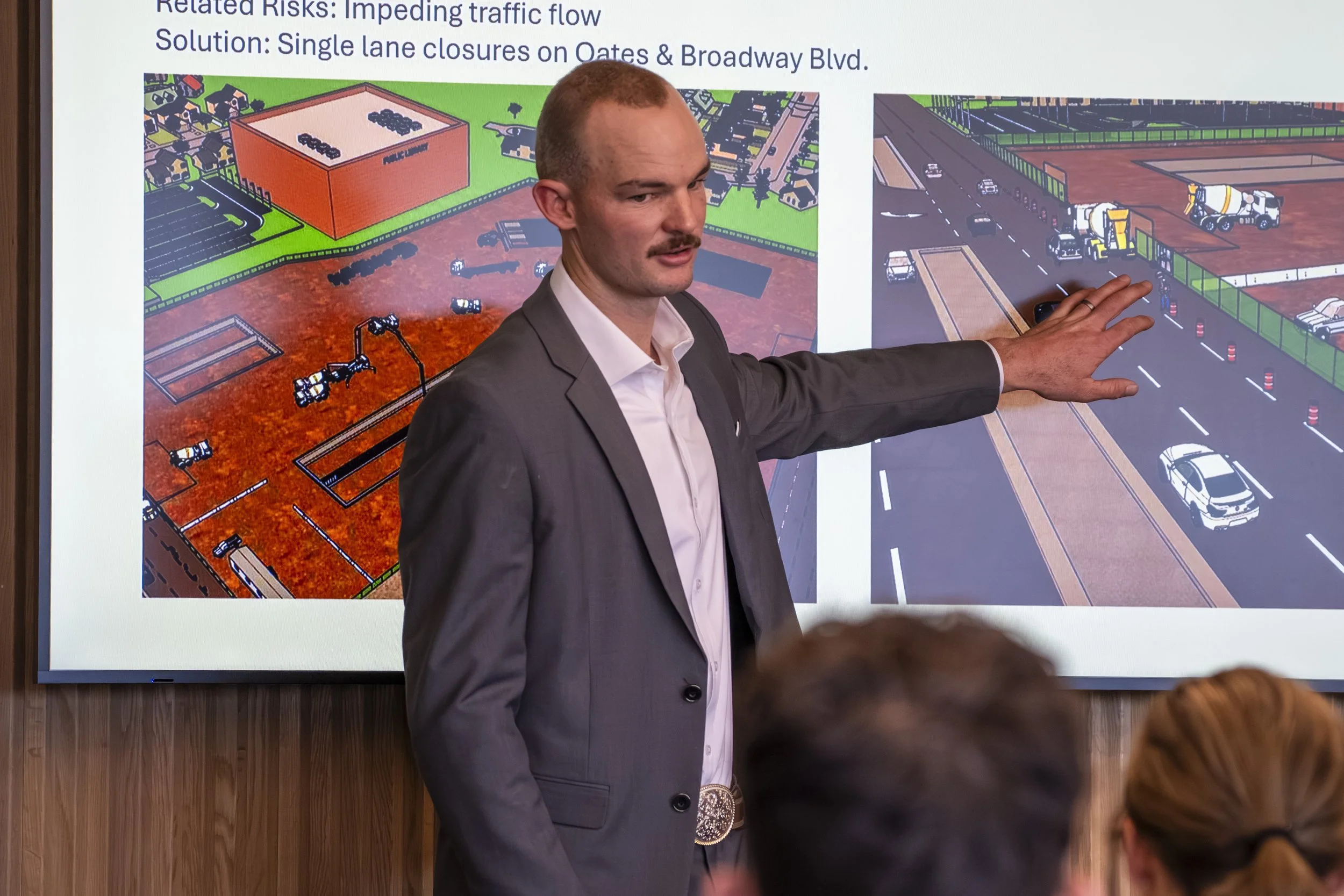
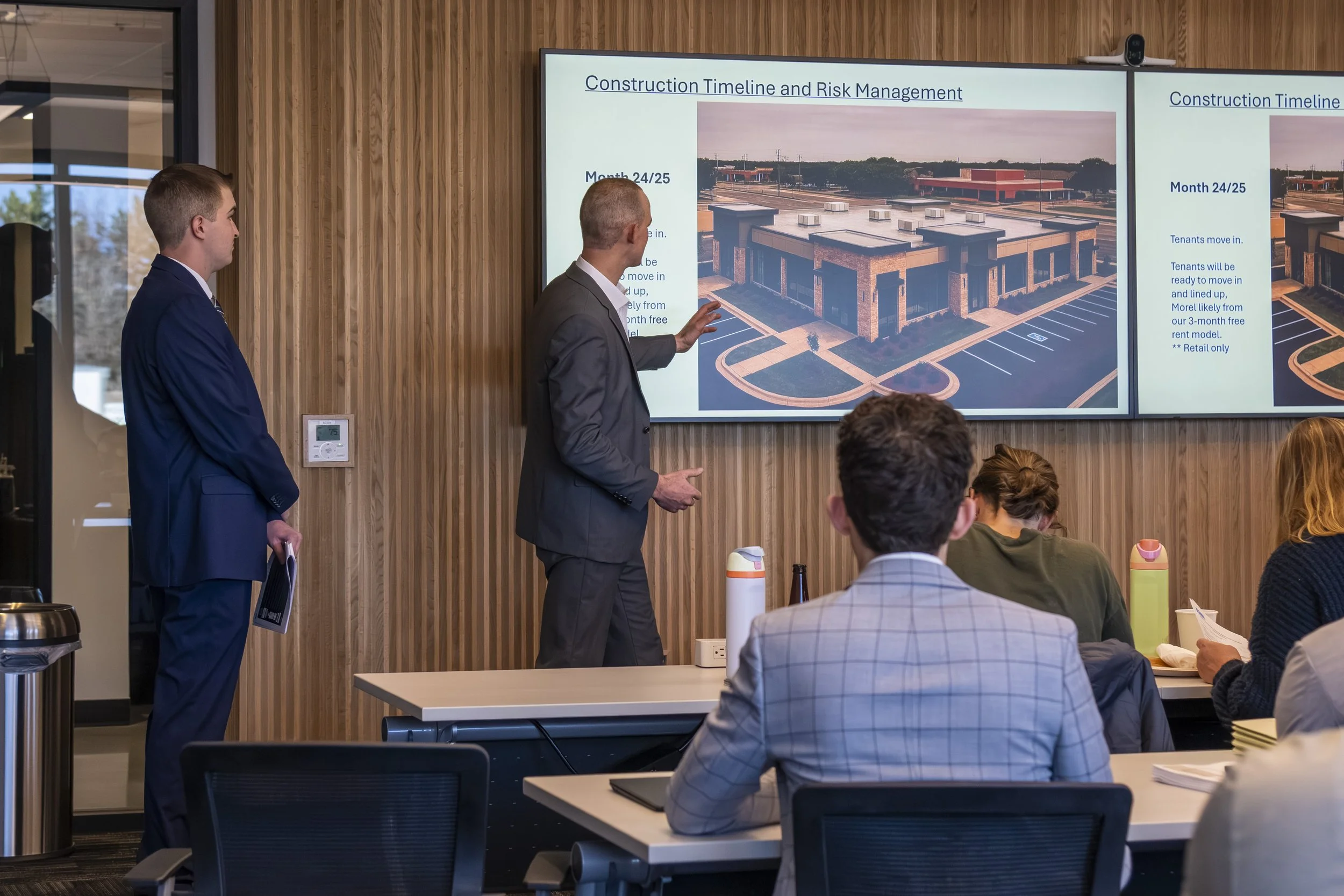
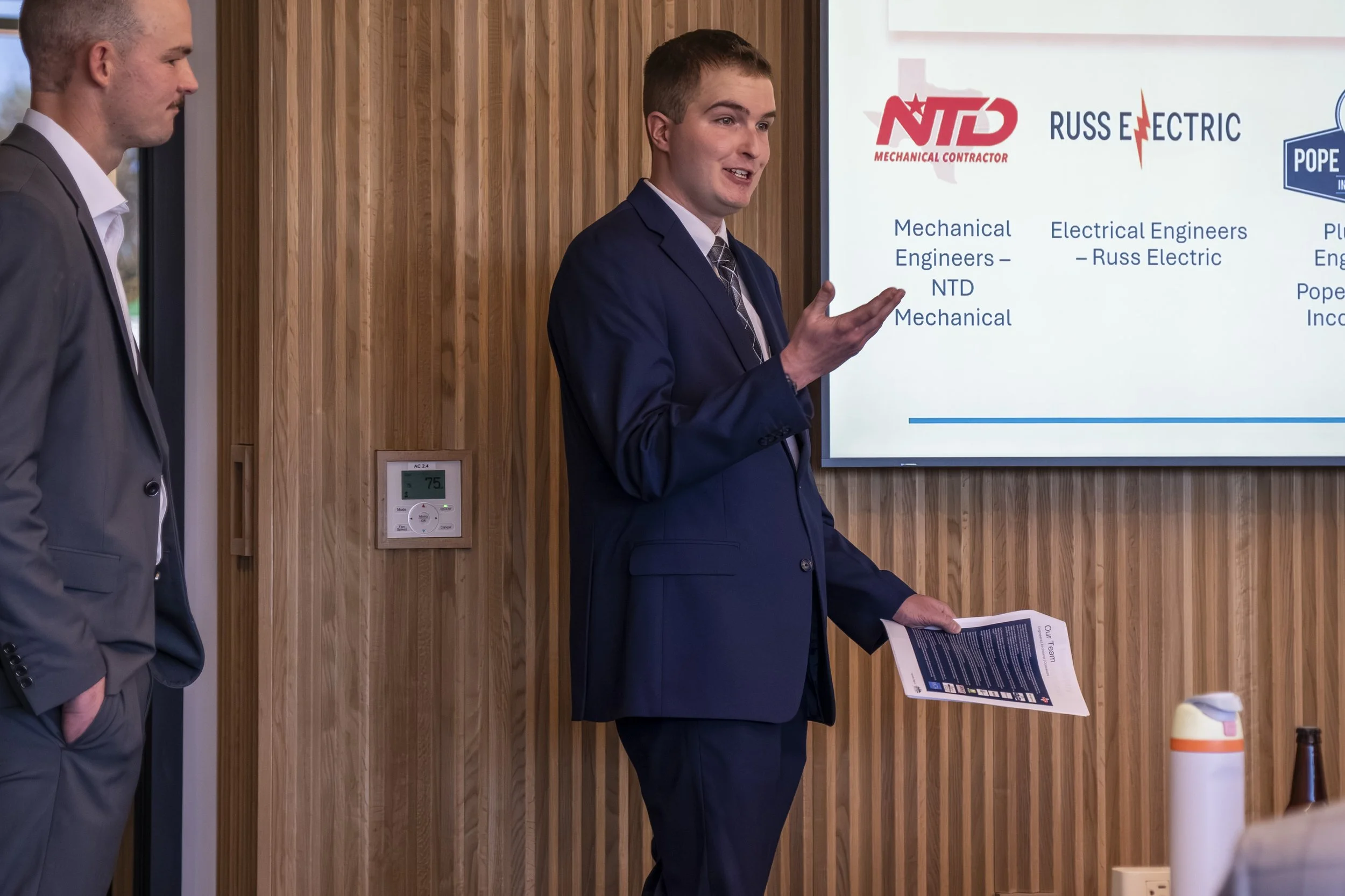
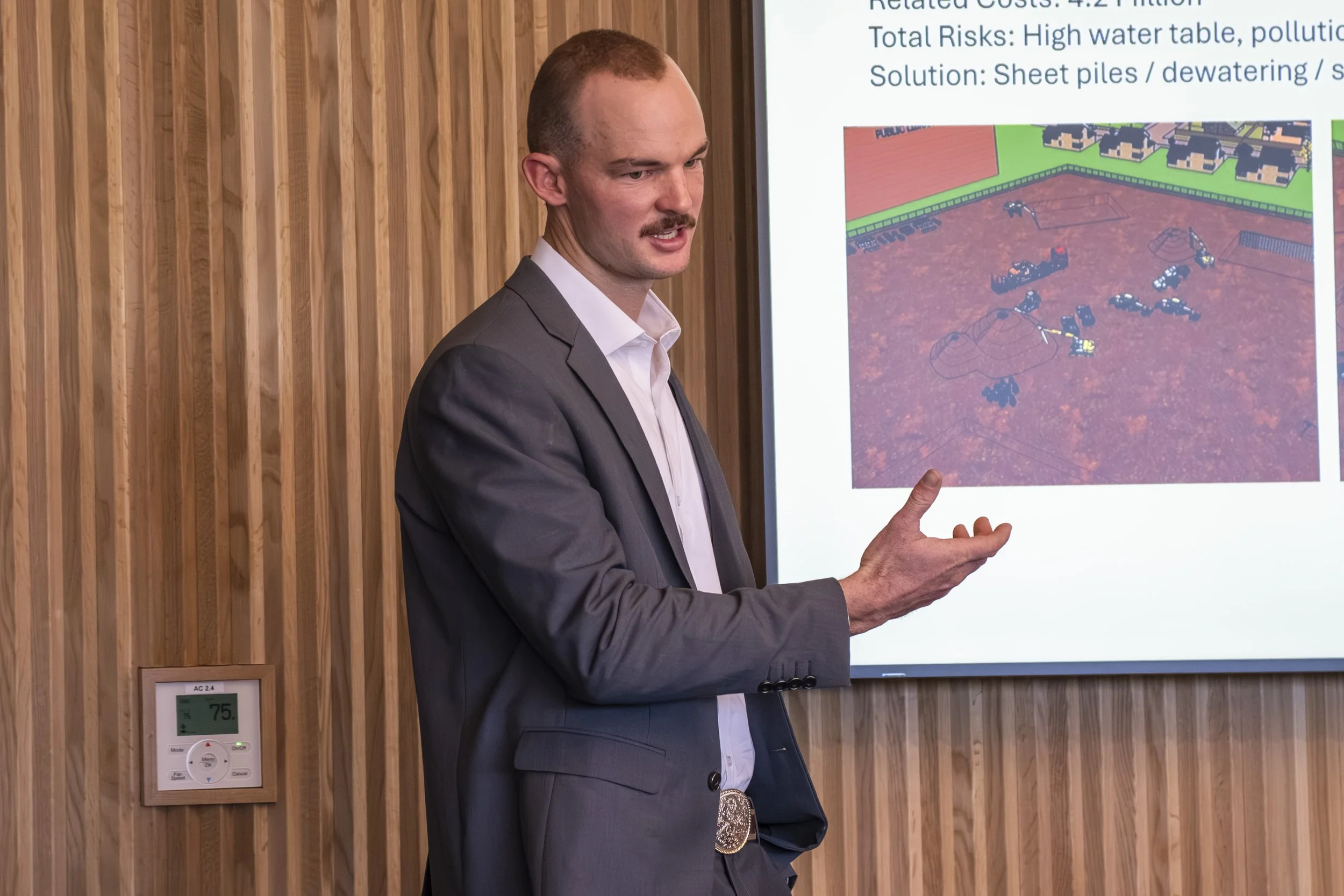
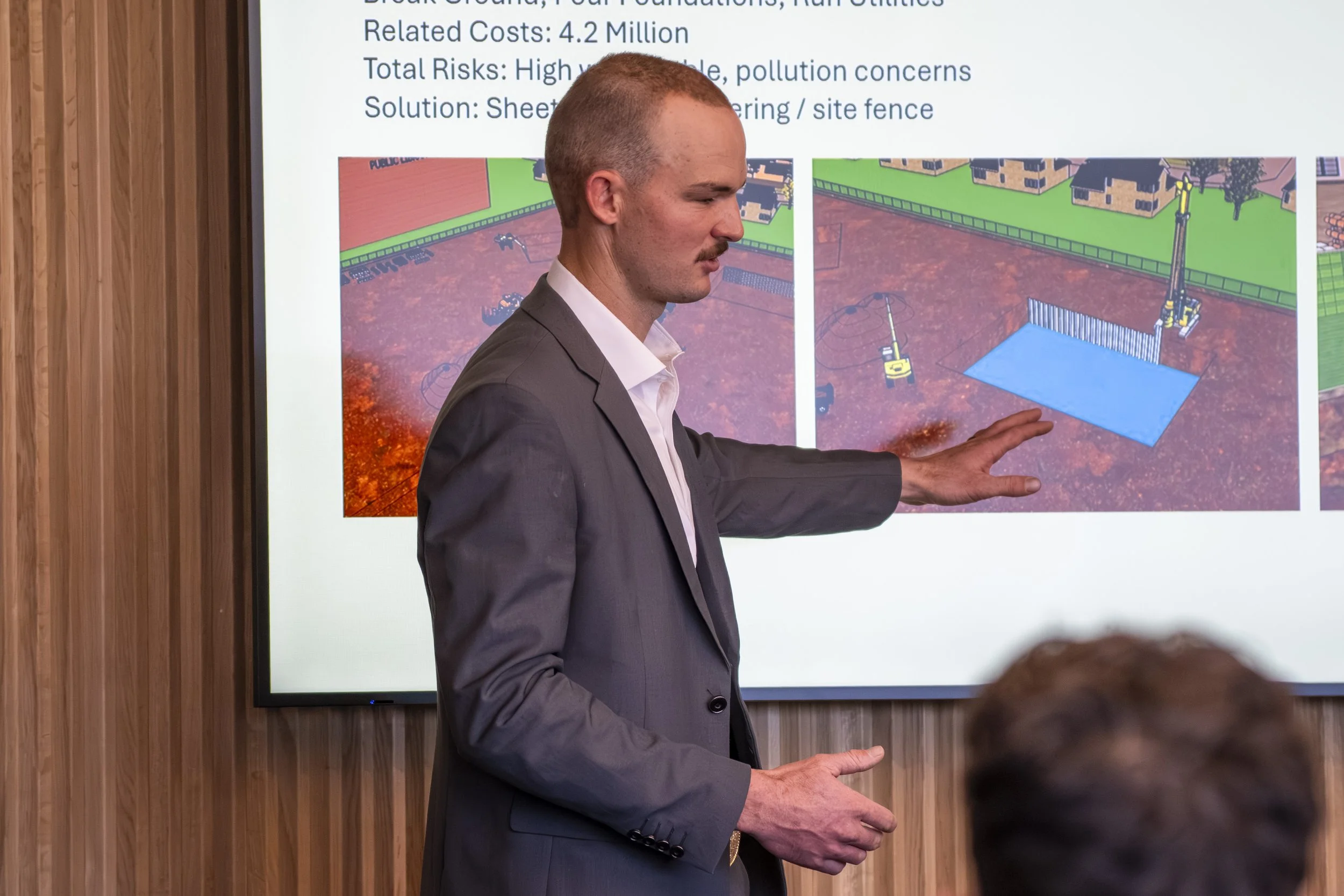
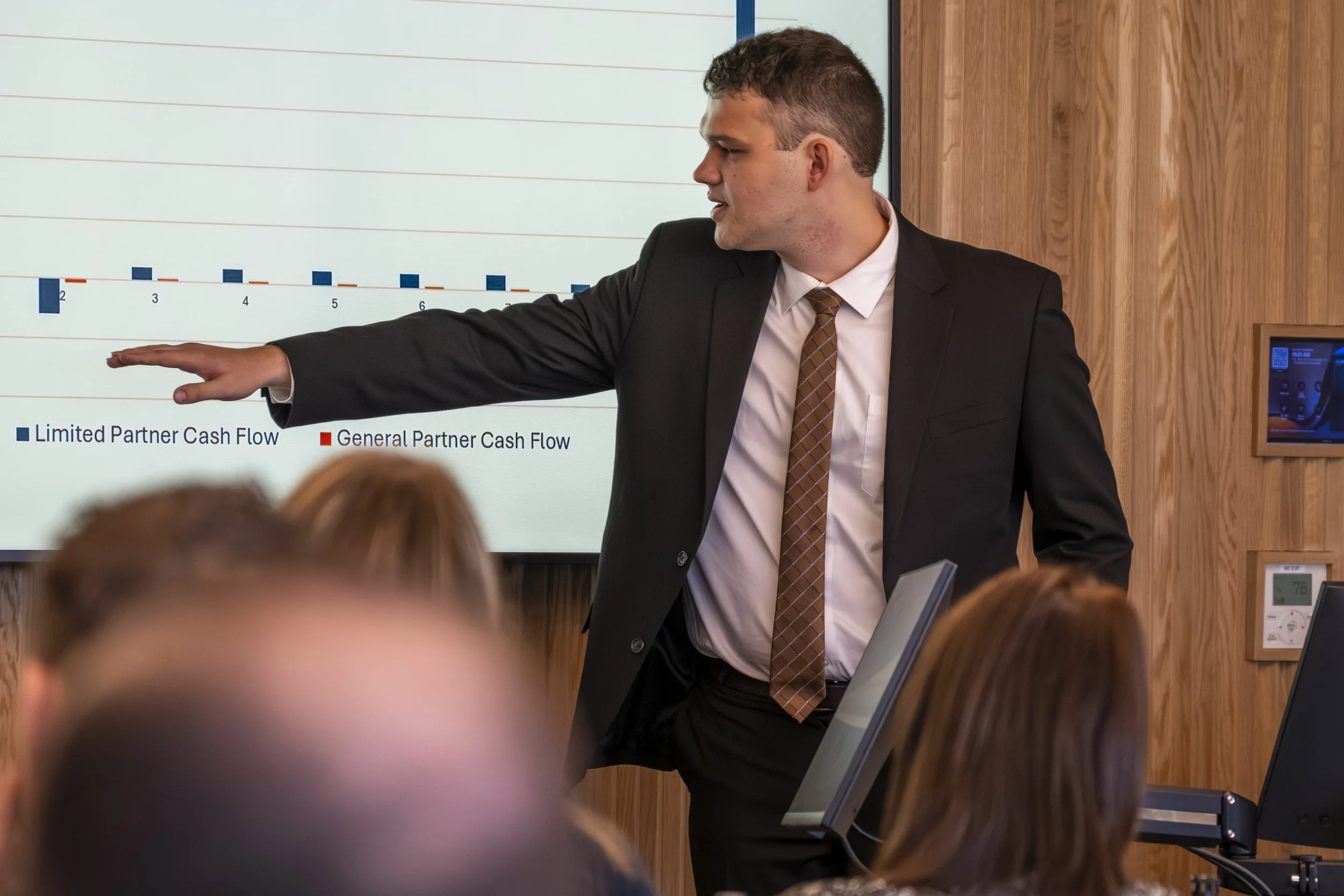
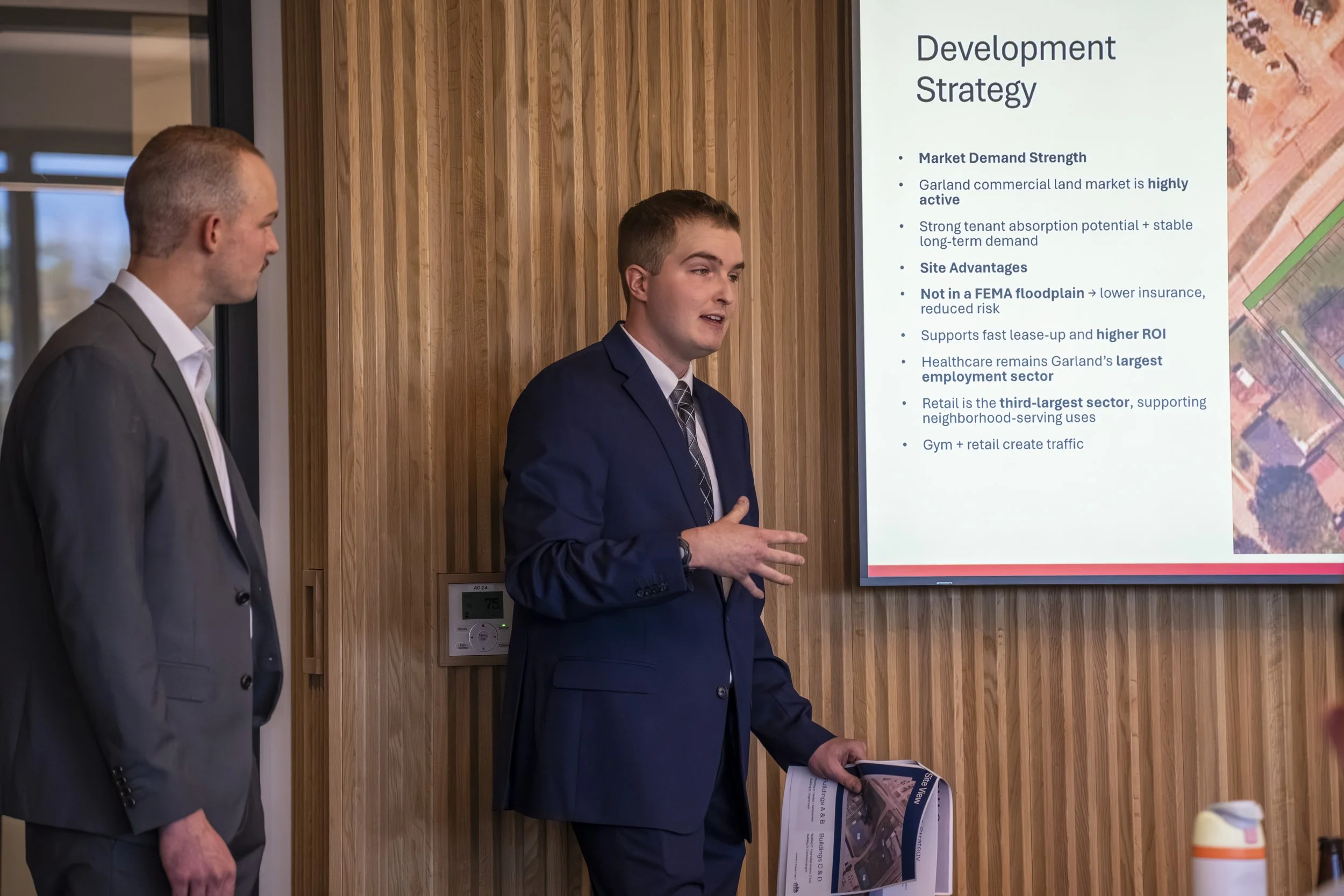
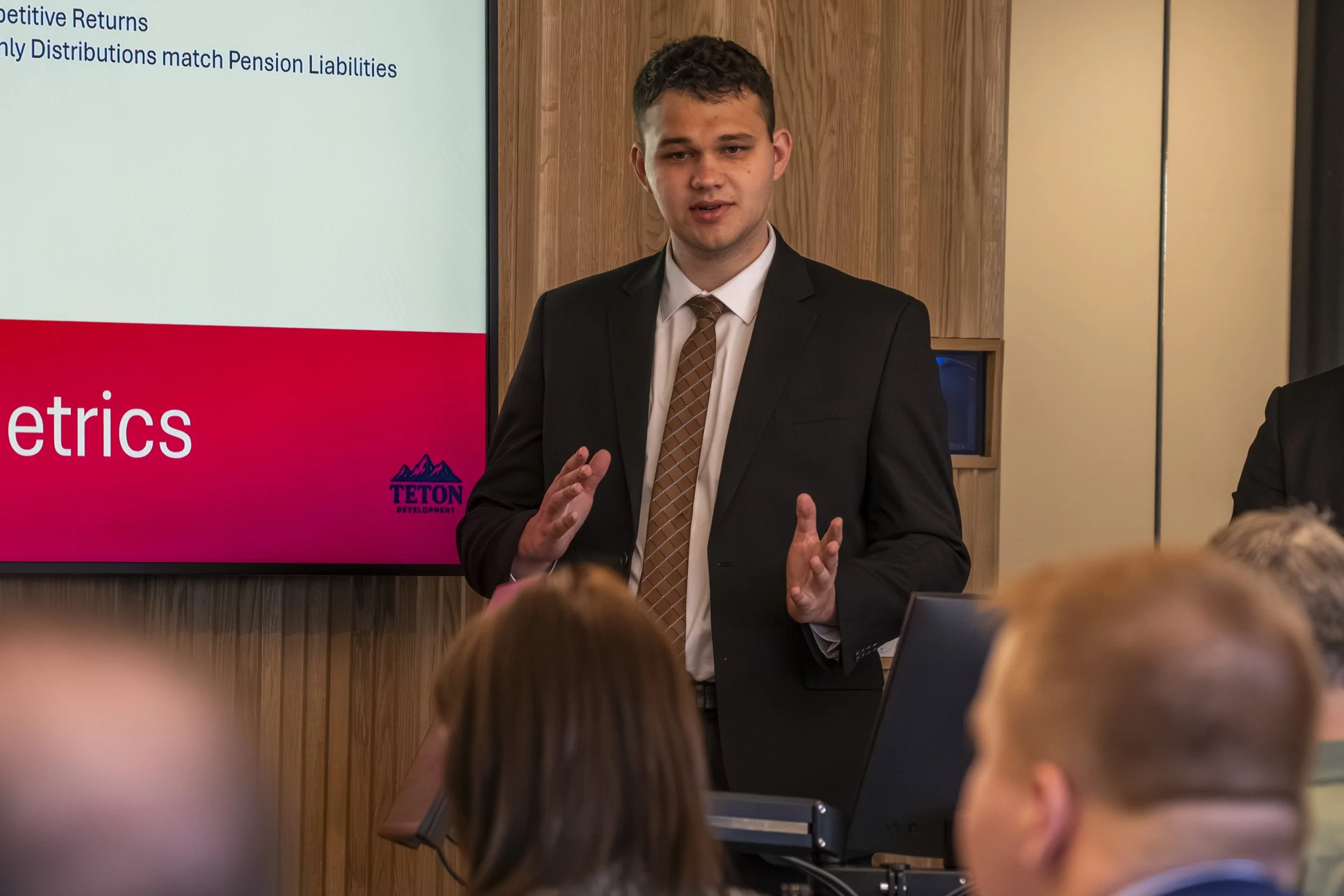
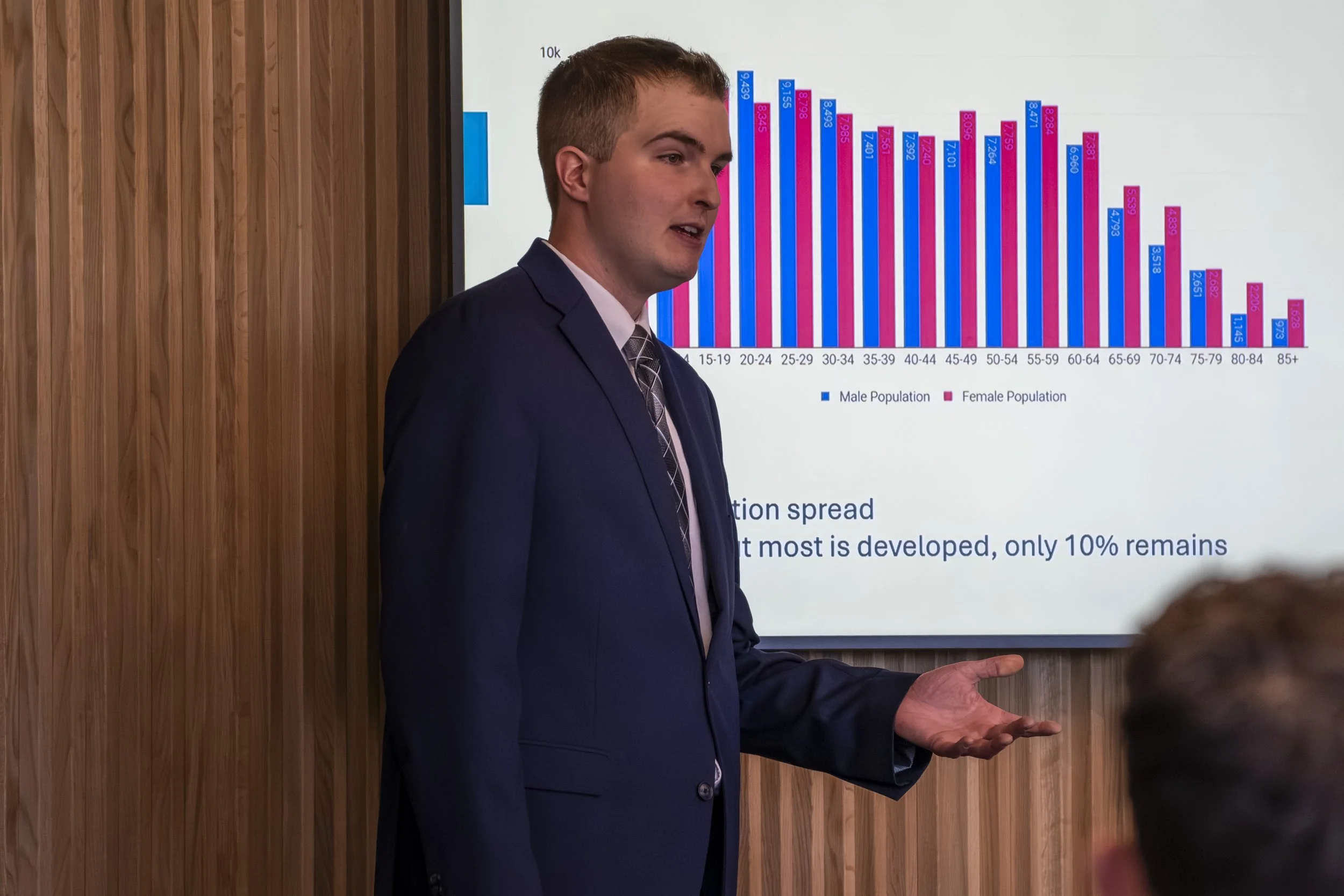
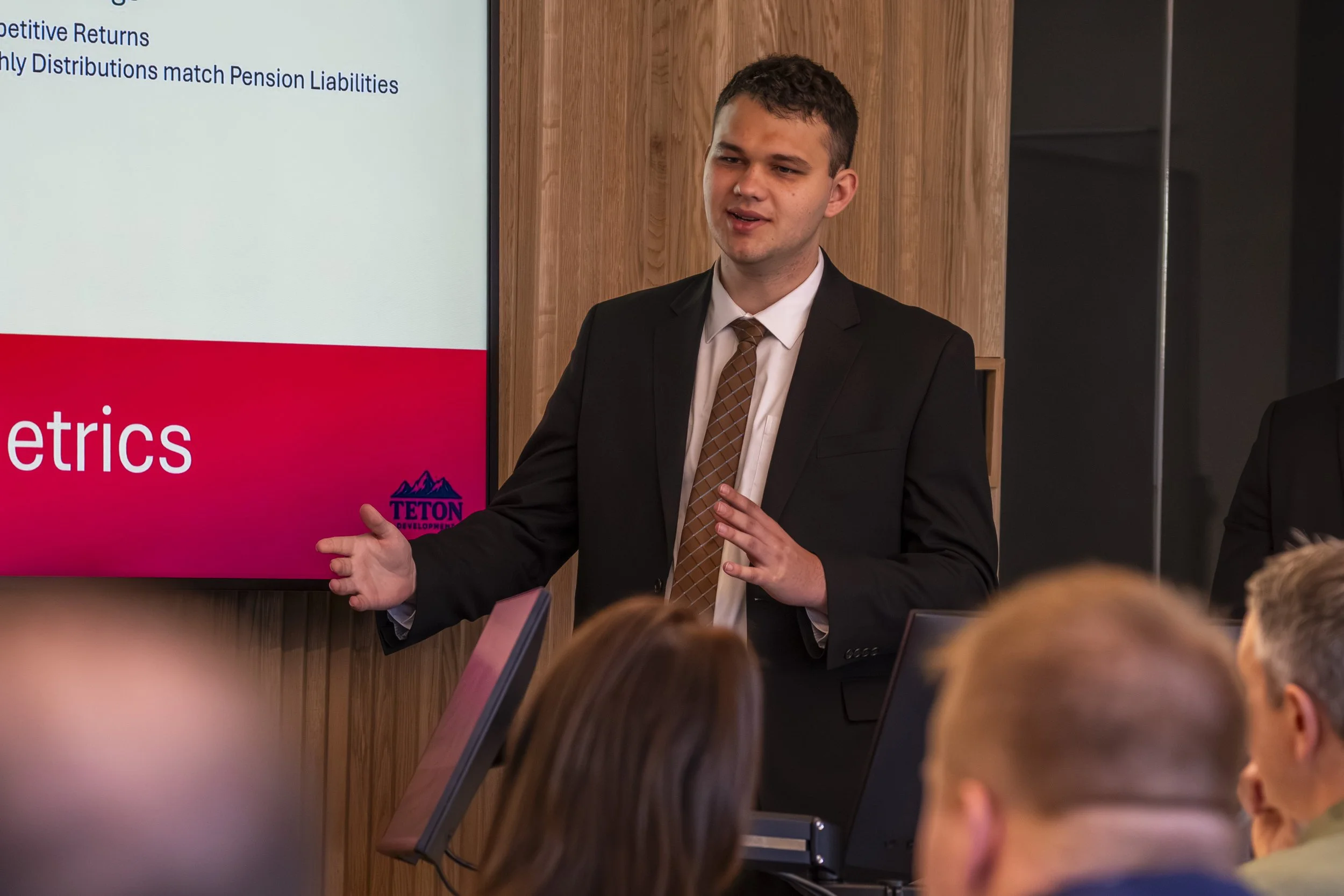
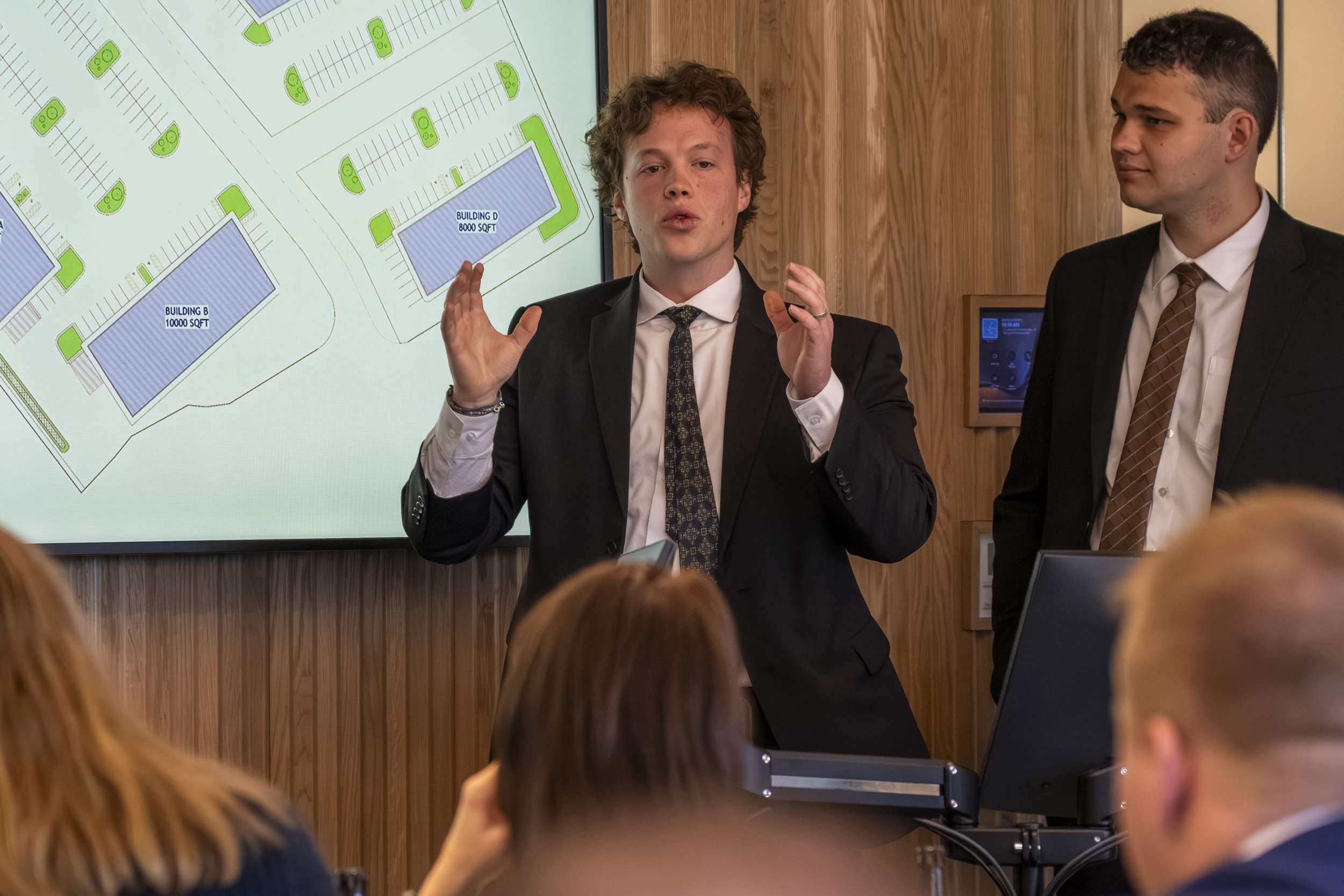
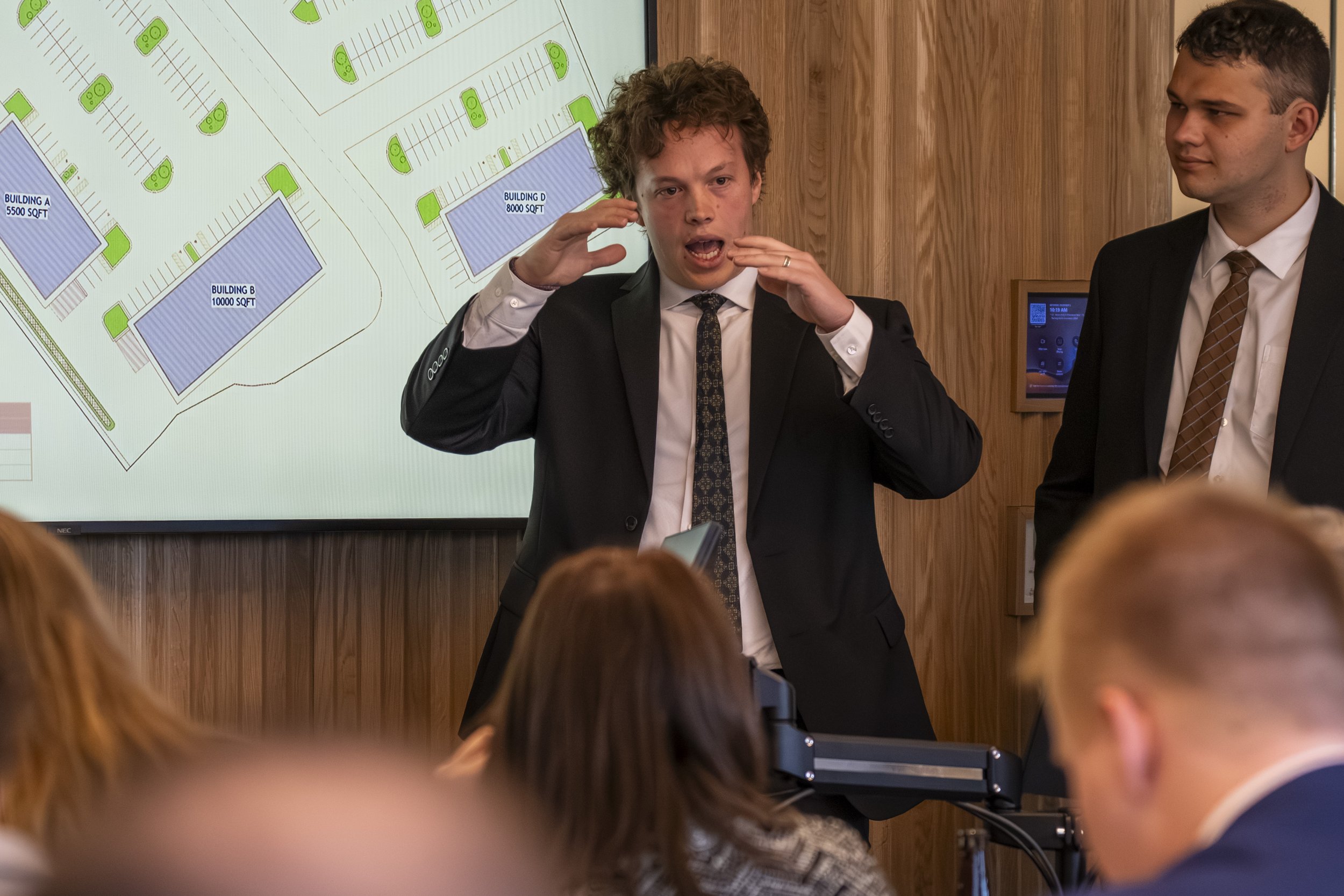
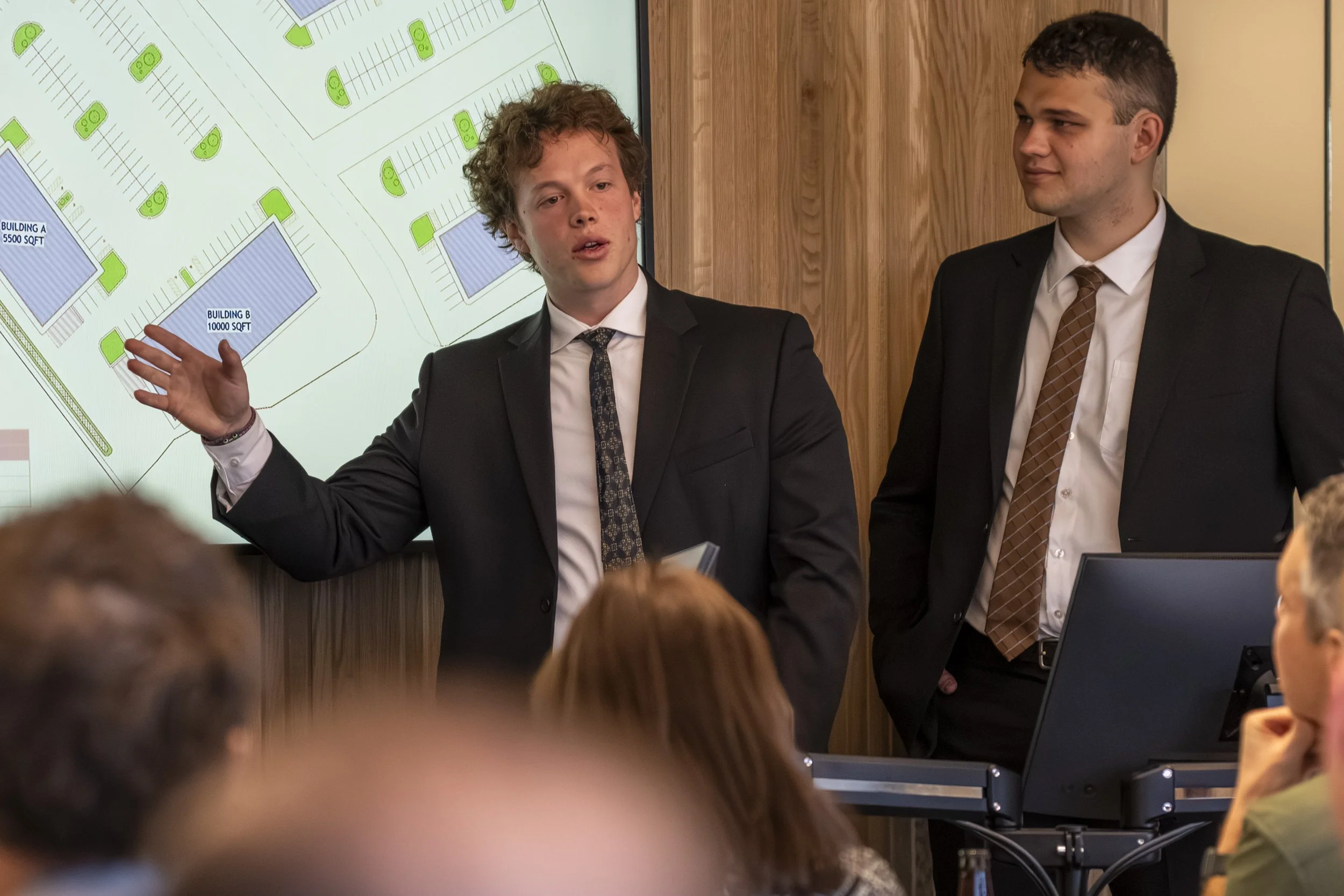
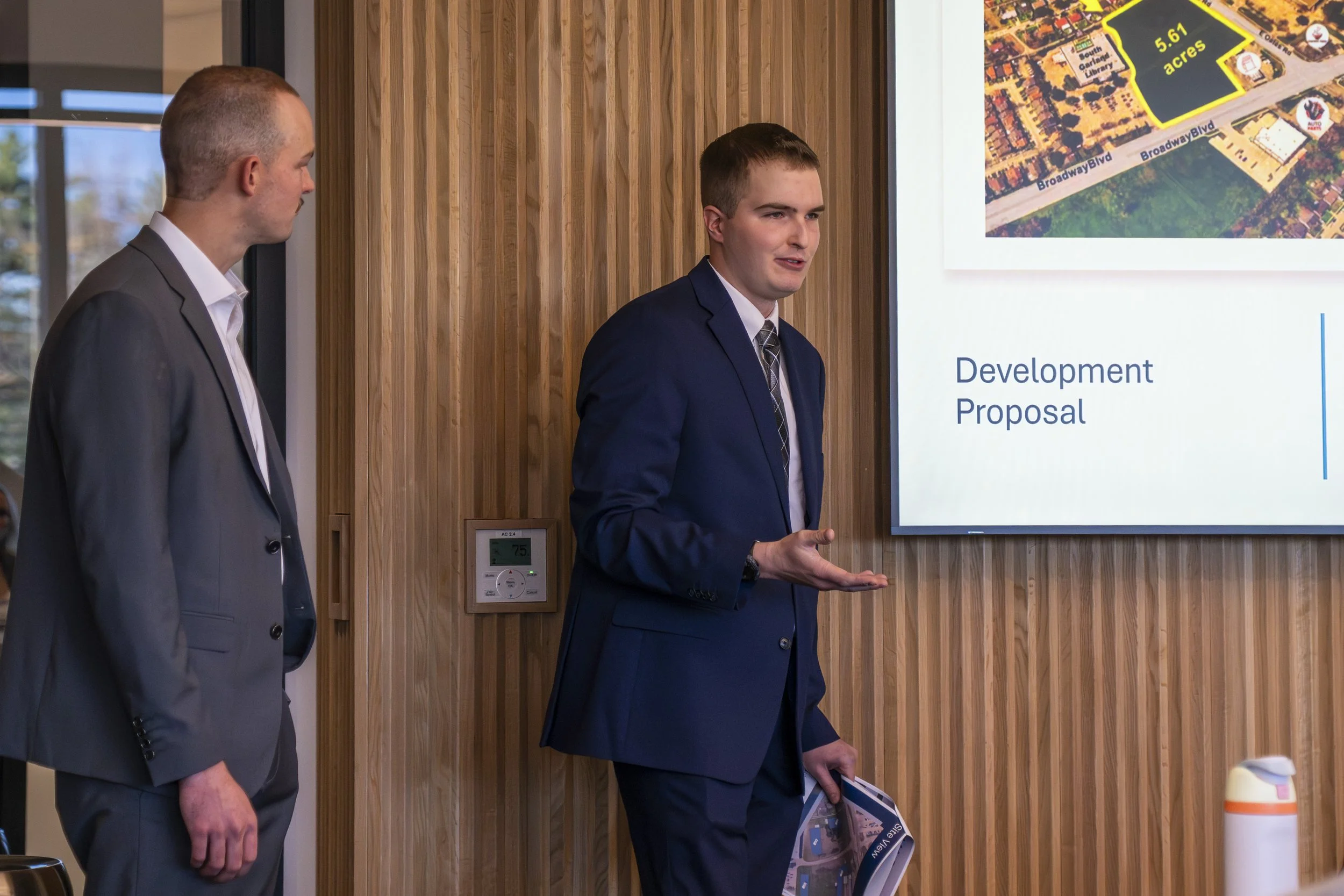
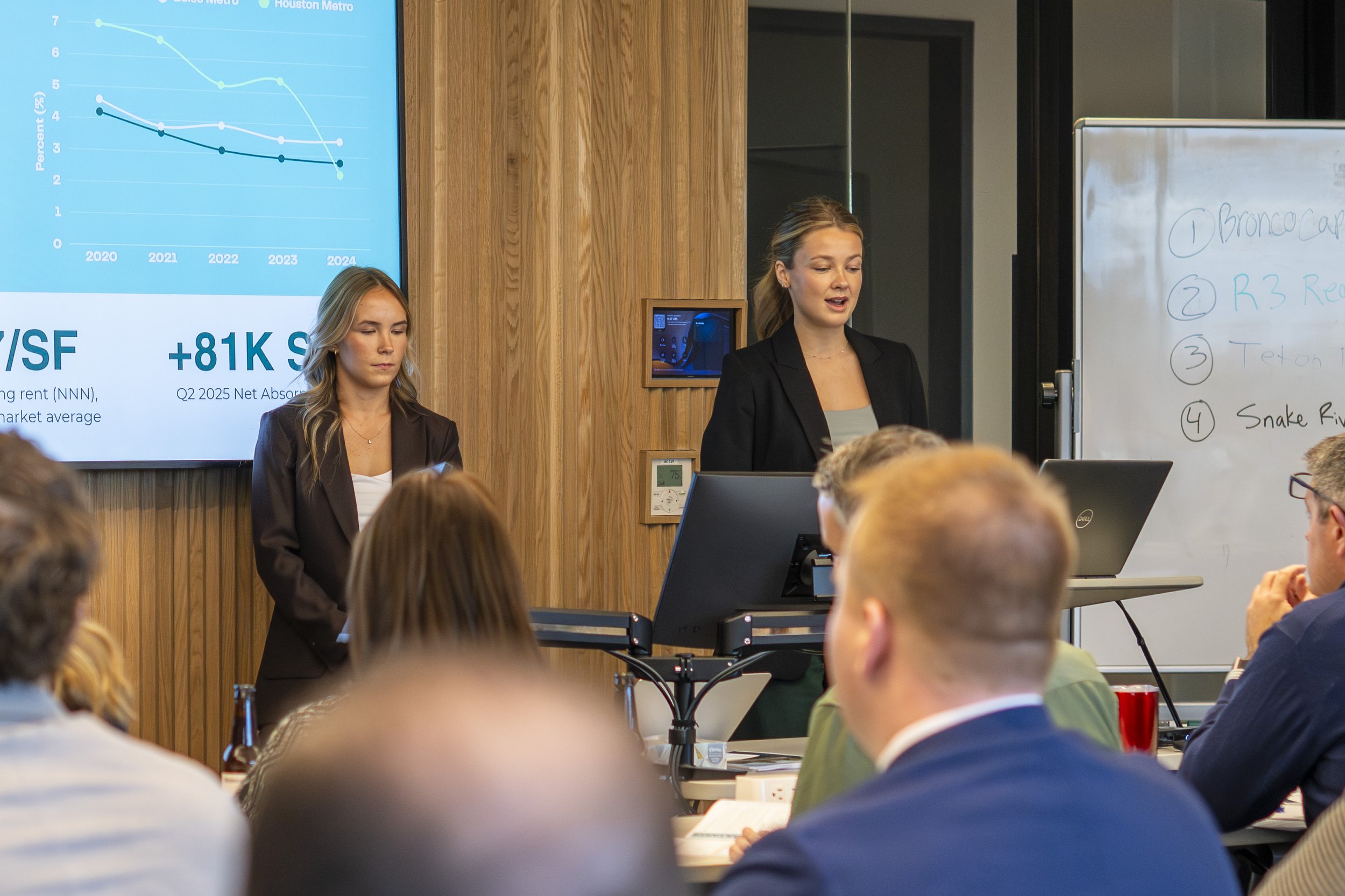
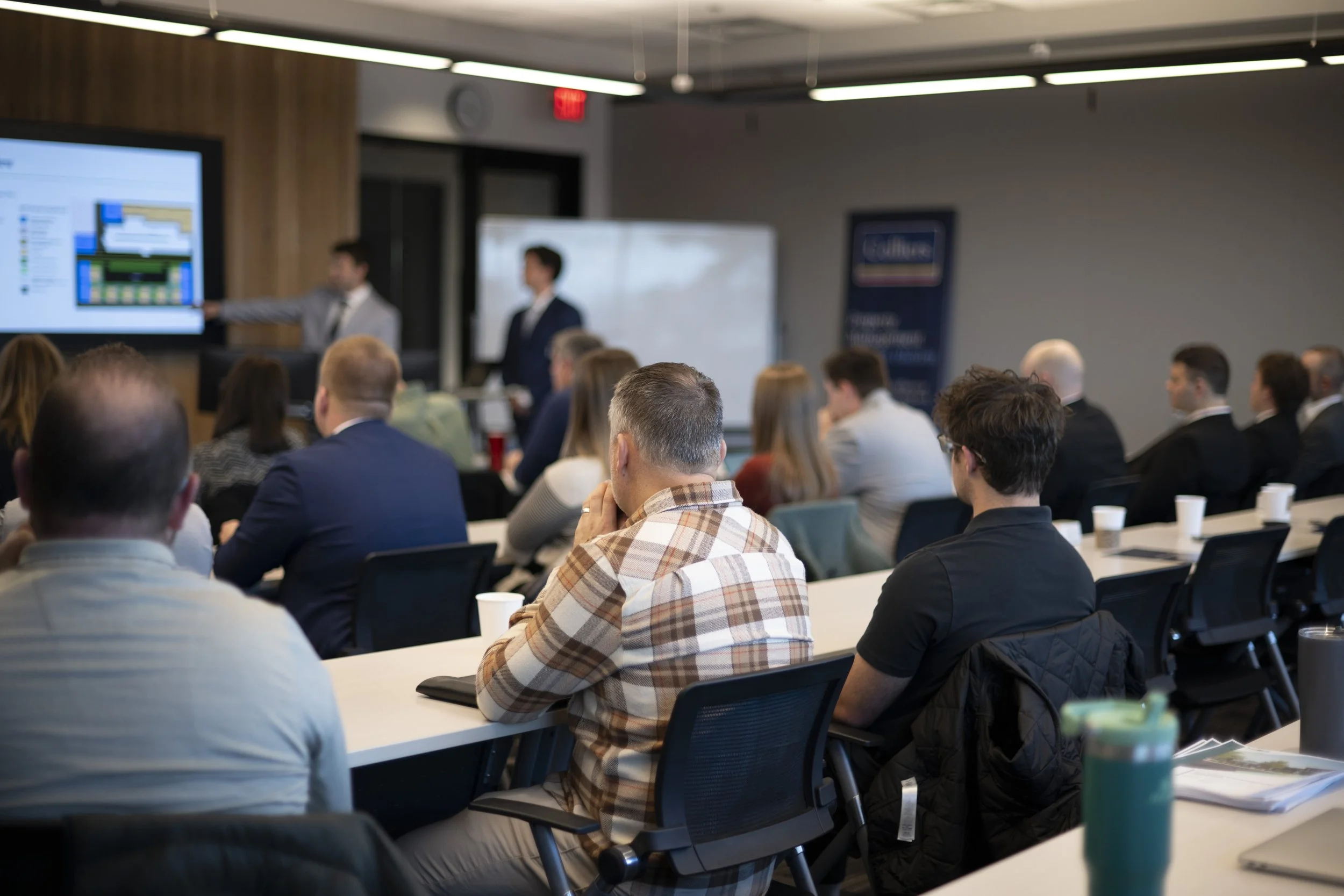
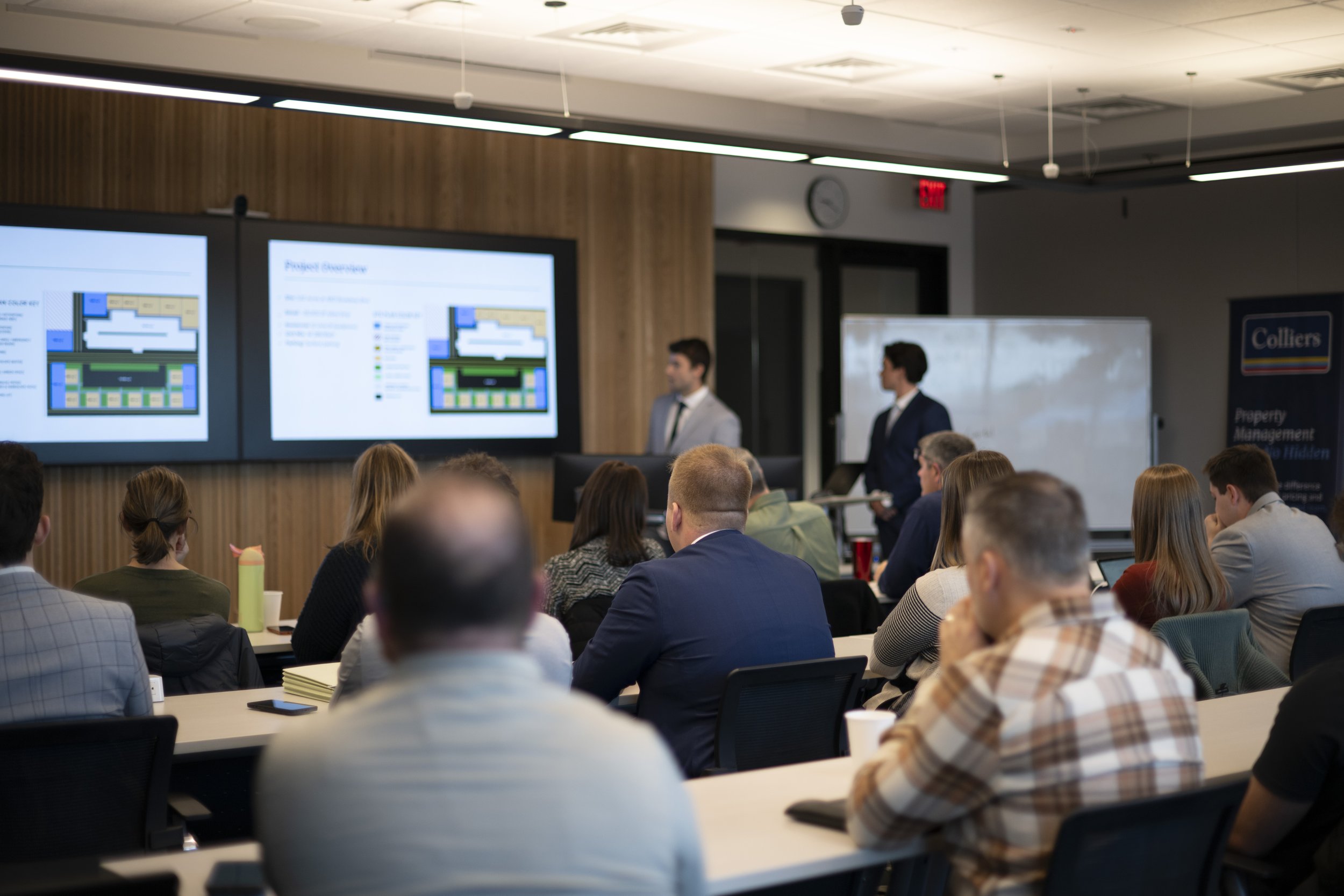
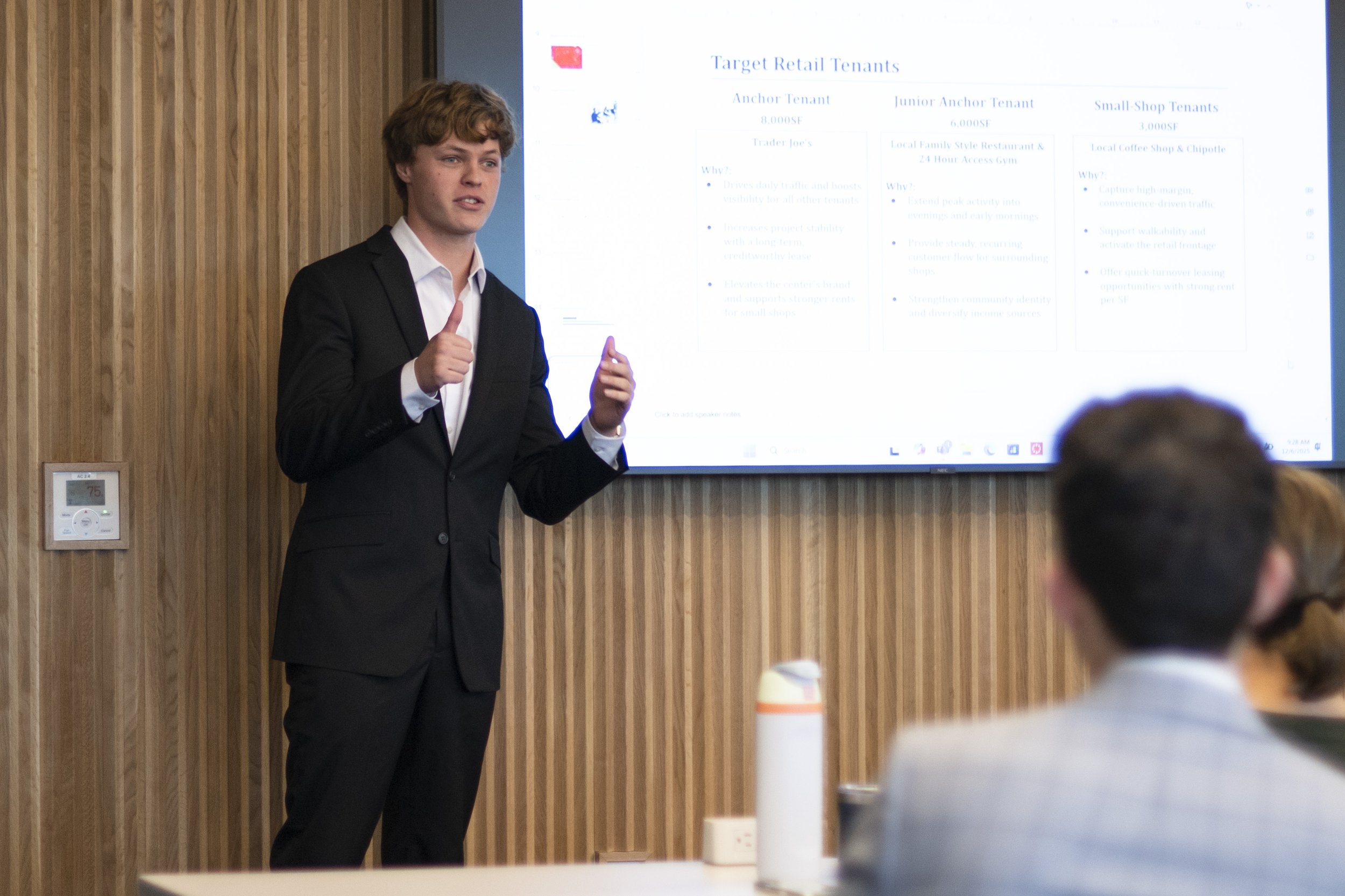
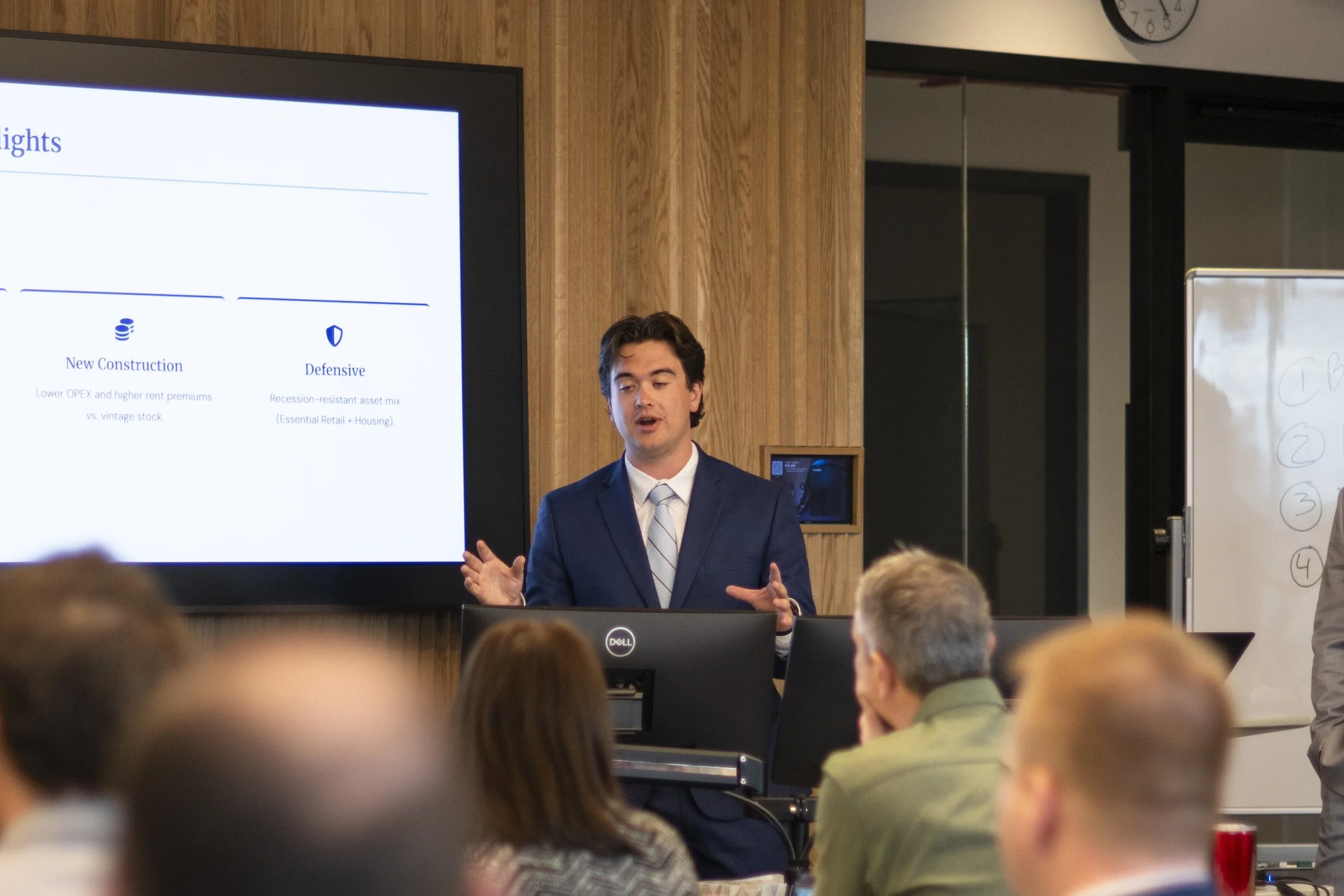
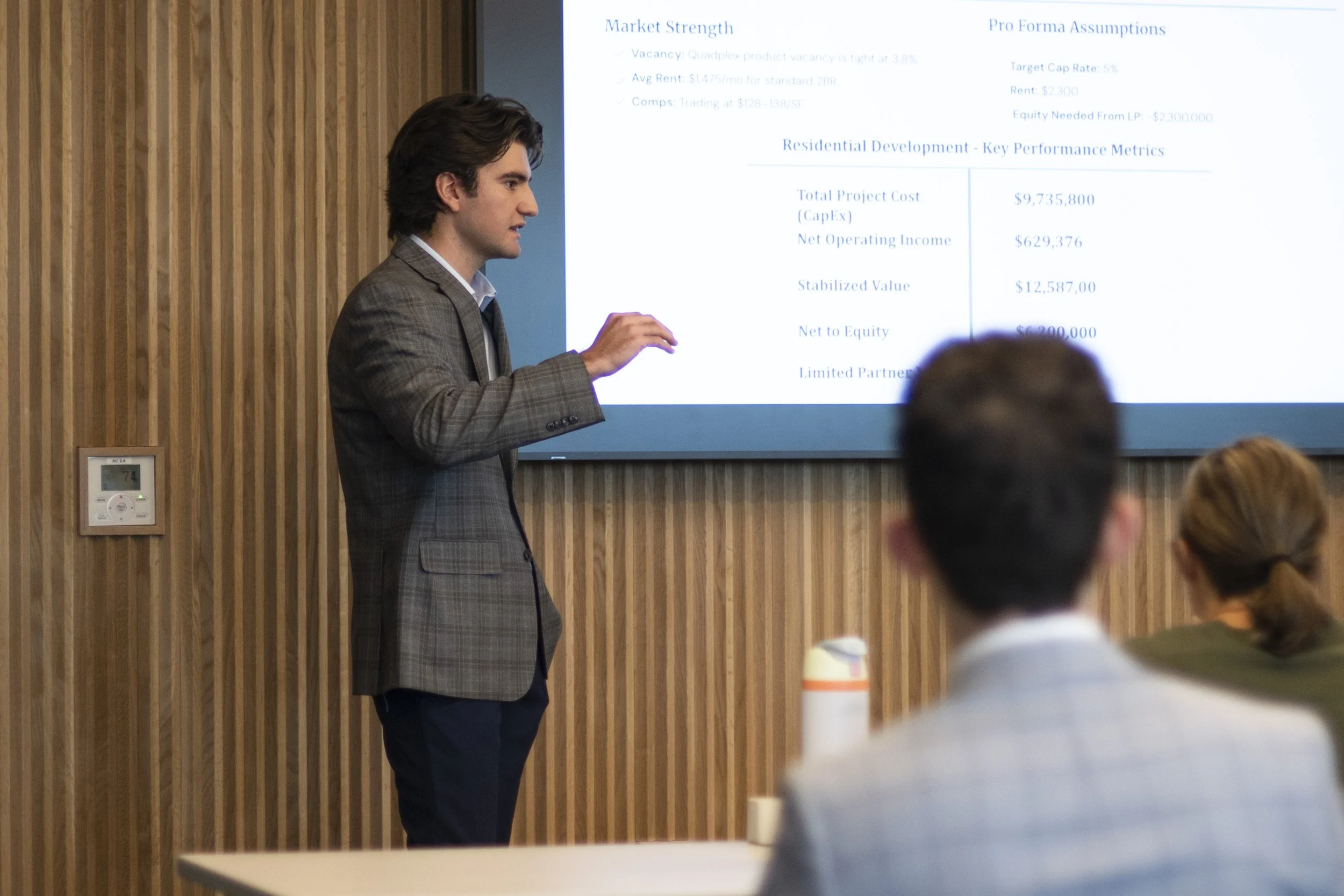
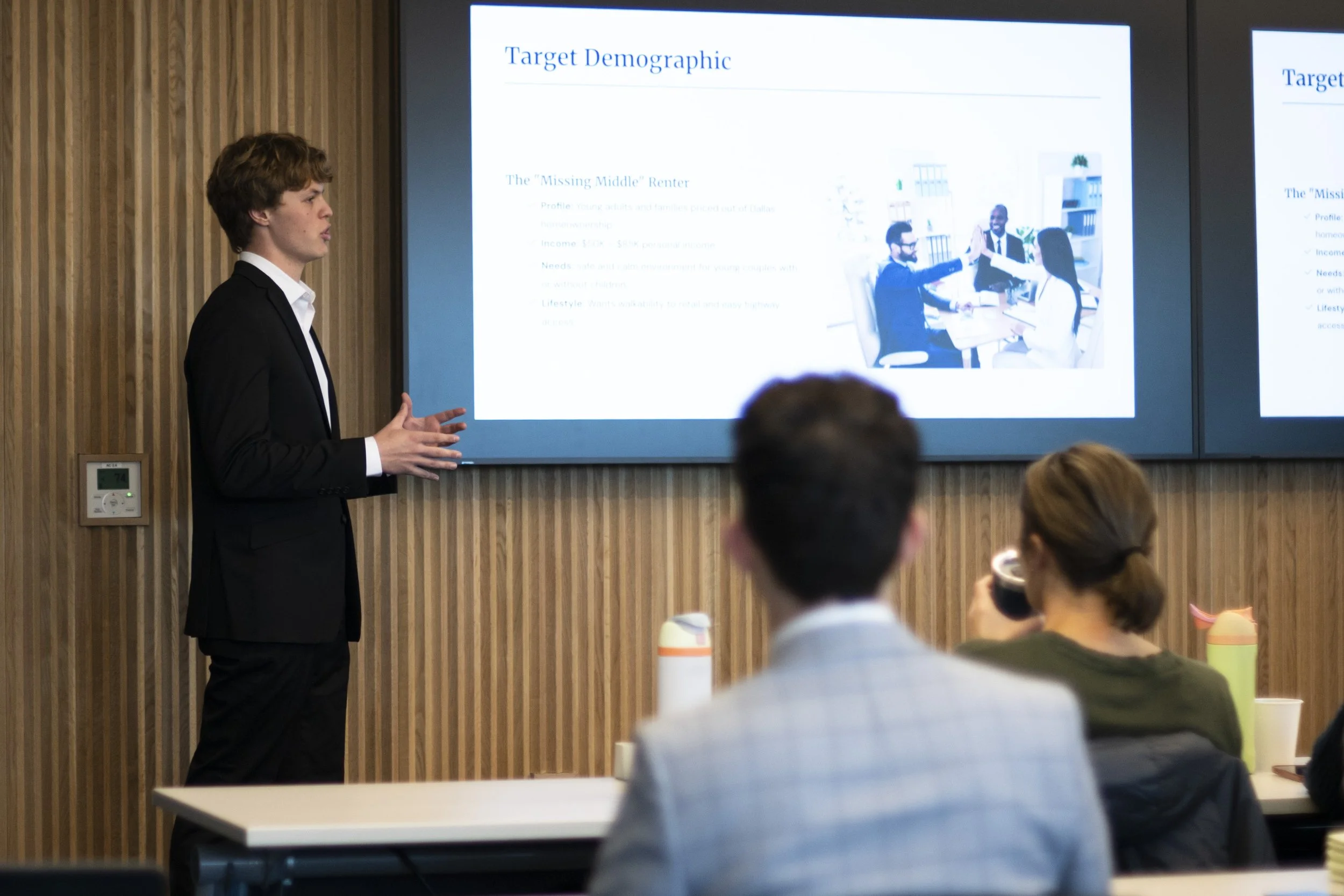
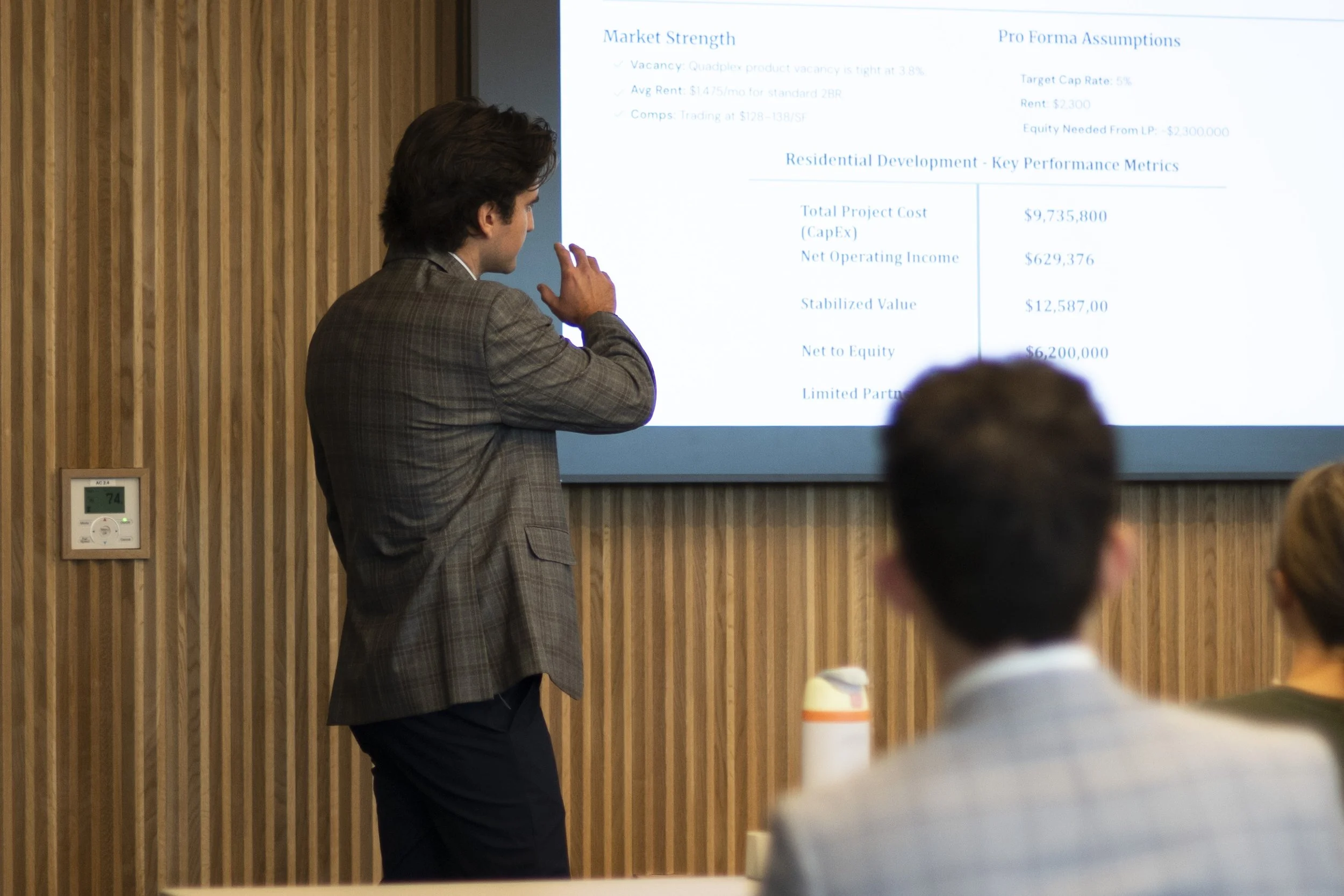
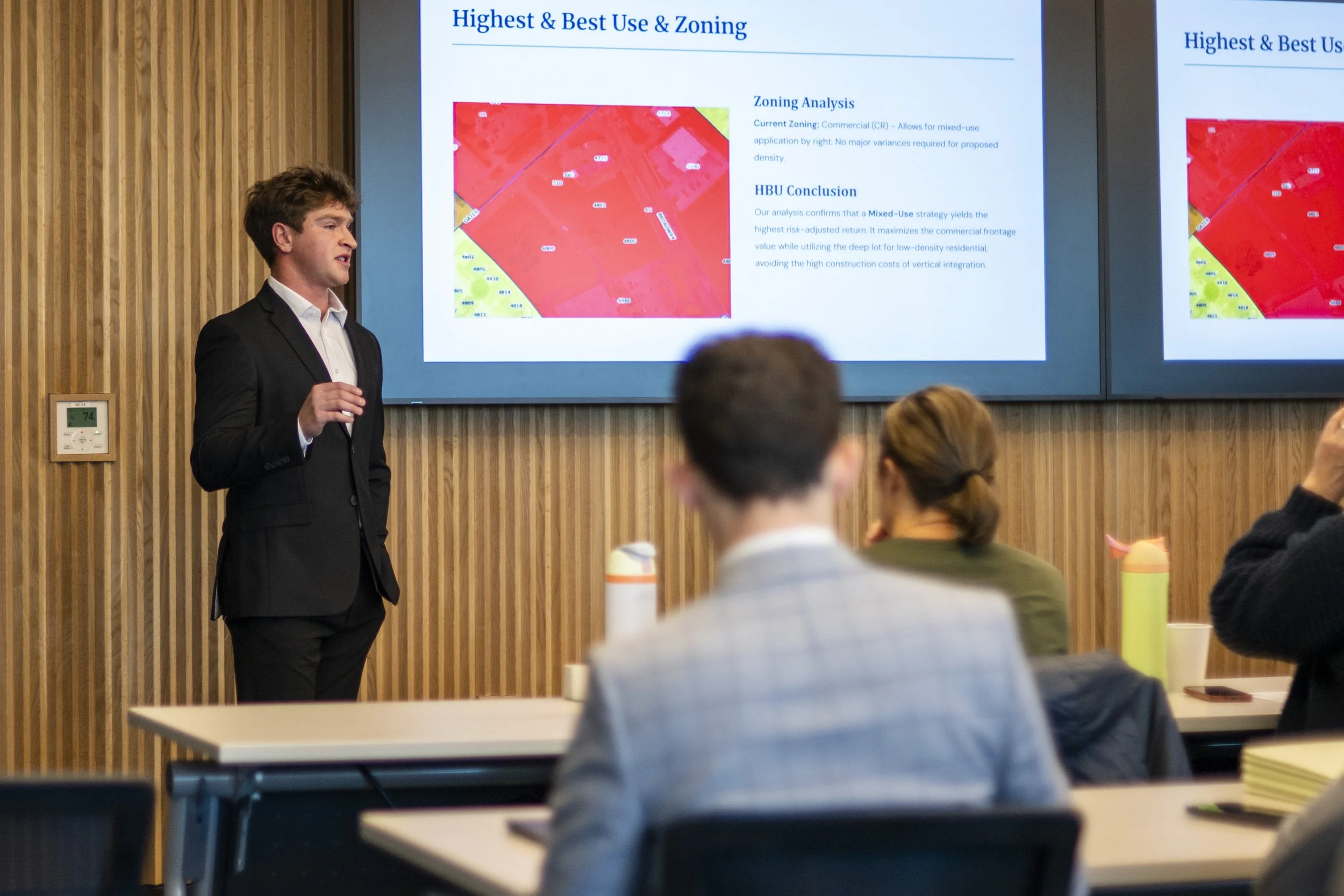
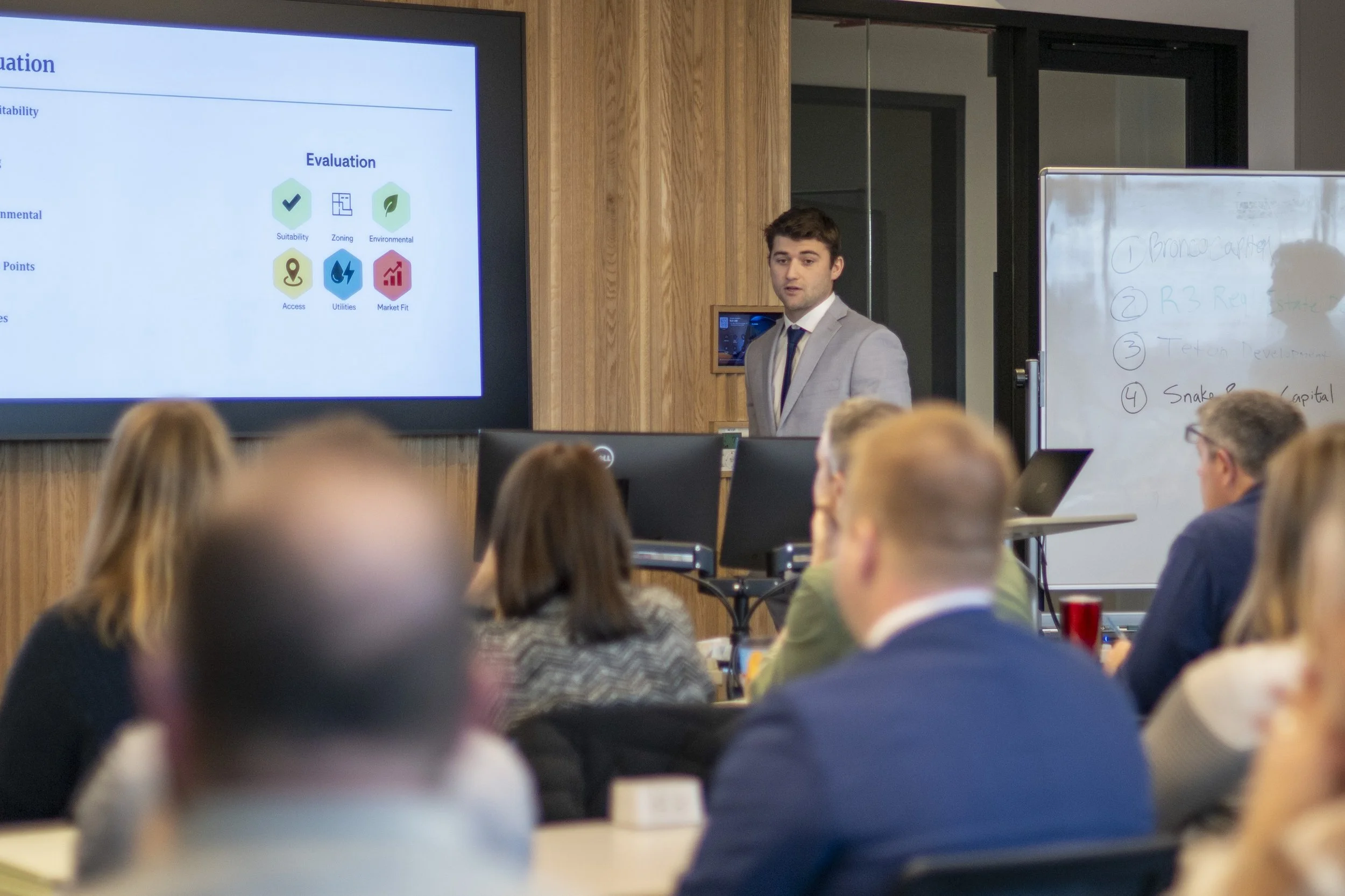
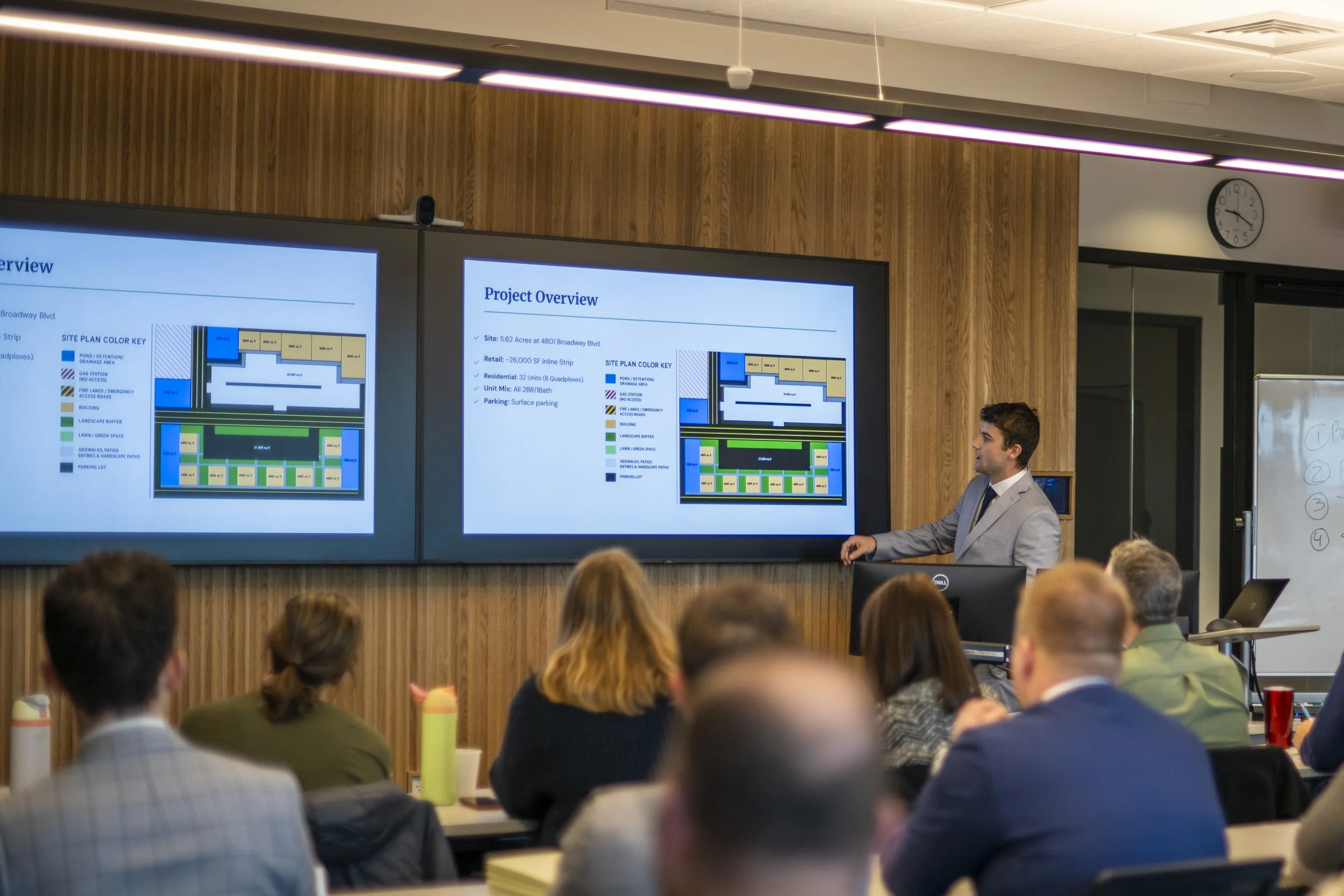
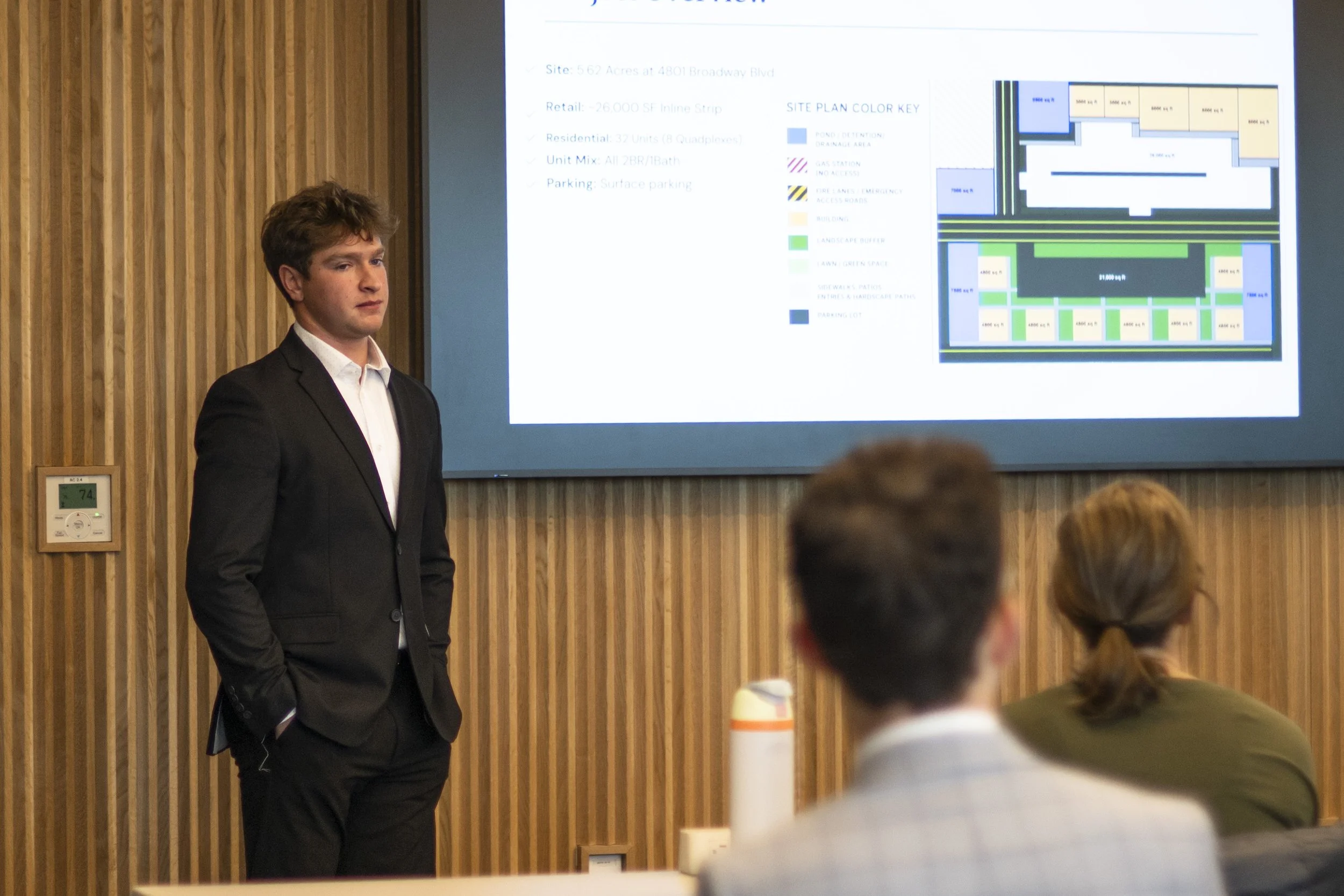
The premise is pretty simple. Give college students a real site, a hypothetical development opportunity, a bunch of information that makes their heads hurt, and a deadline. Then tell them to put together a development strategy and pitch it to a room full of people who actually do this shit for a living.
No textbook answers. No multiple choice. Figure it out.
The goal has always been to make this bigger than just a business-school competition. Students from any academic discipline are welcome. Business, finance, marketing, economics, engineering, architecture—whatever. Real estate development is a team sport, and it takes a hell of a lot more than finance people to actually make a project happen.
We’re getting there.
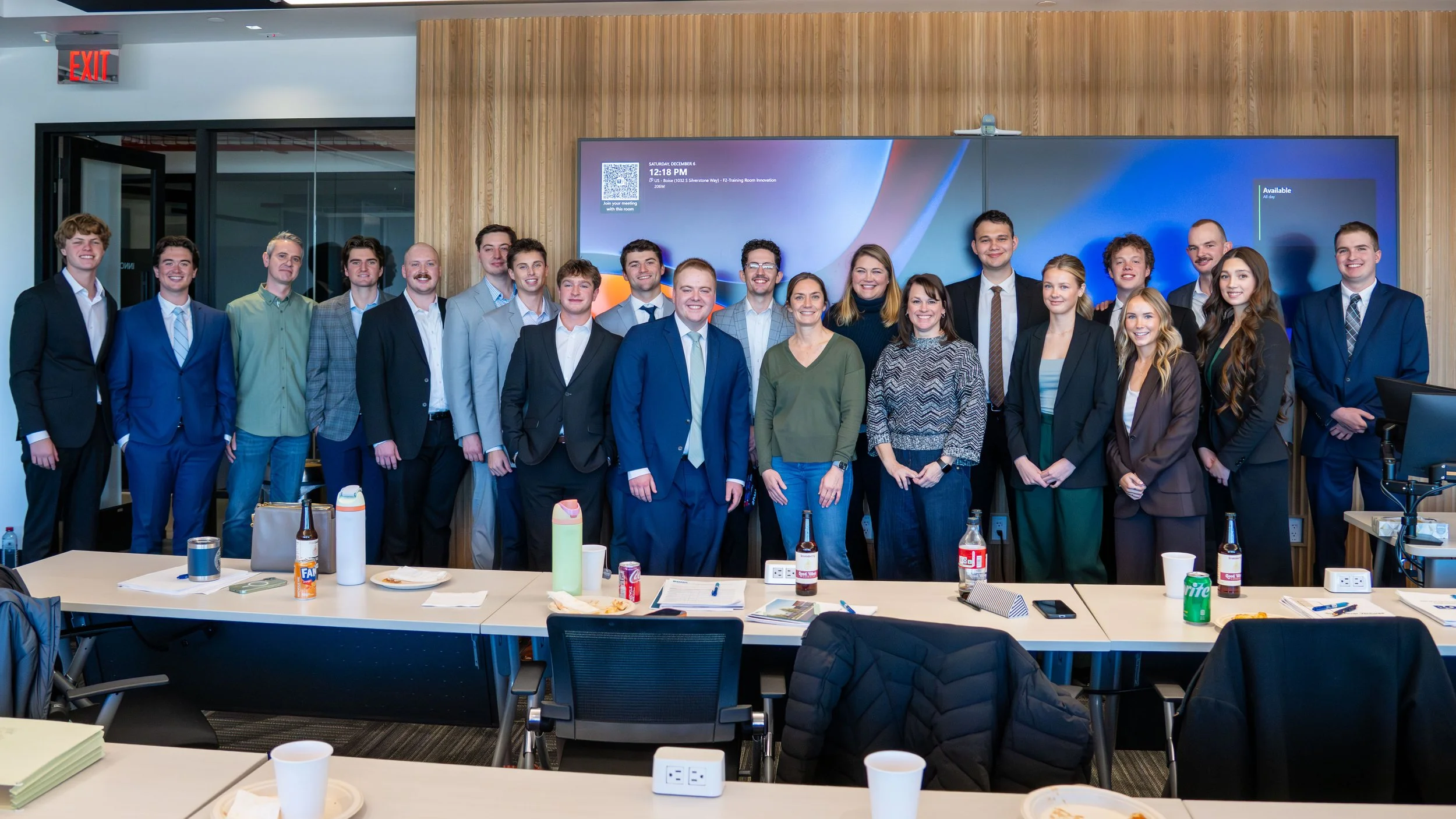
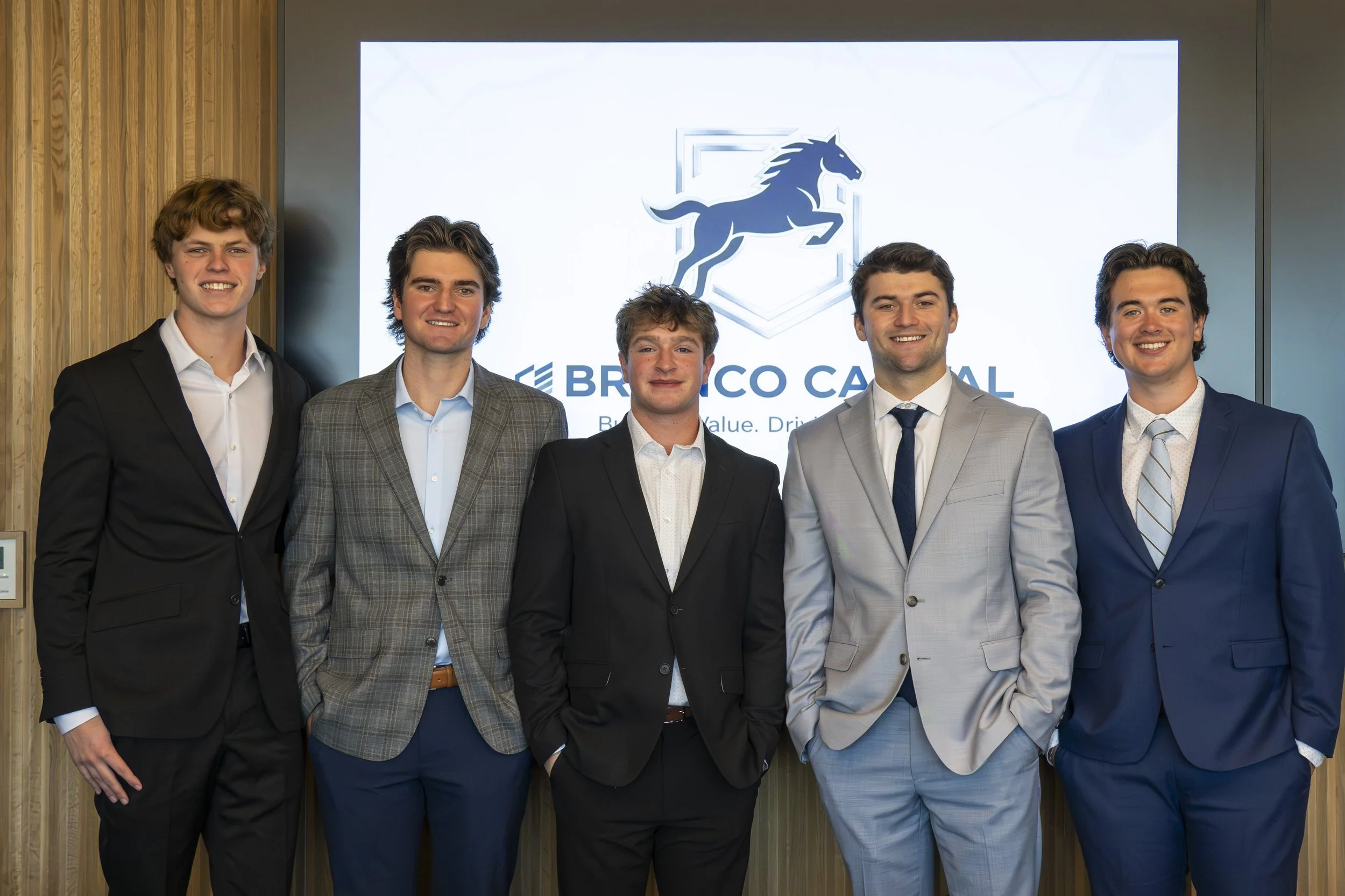
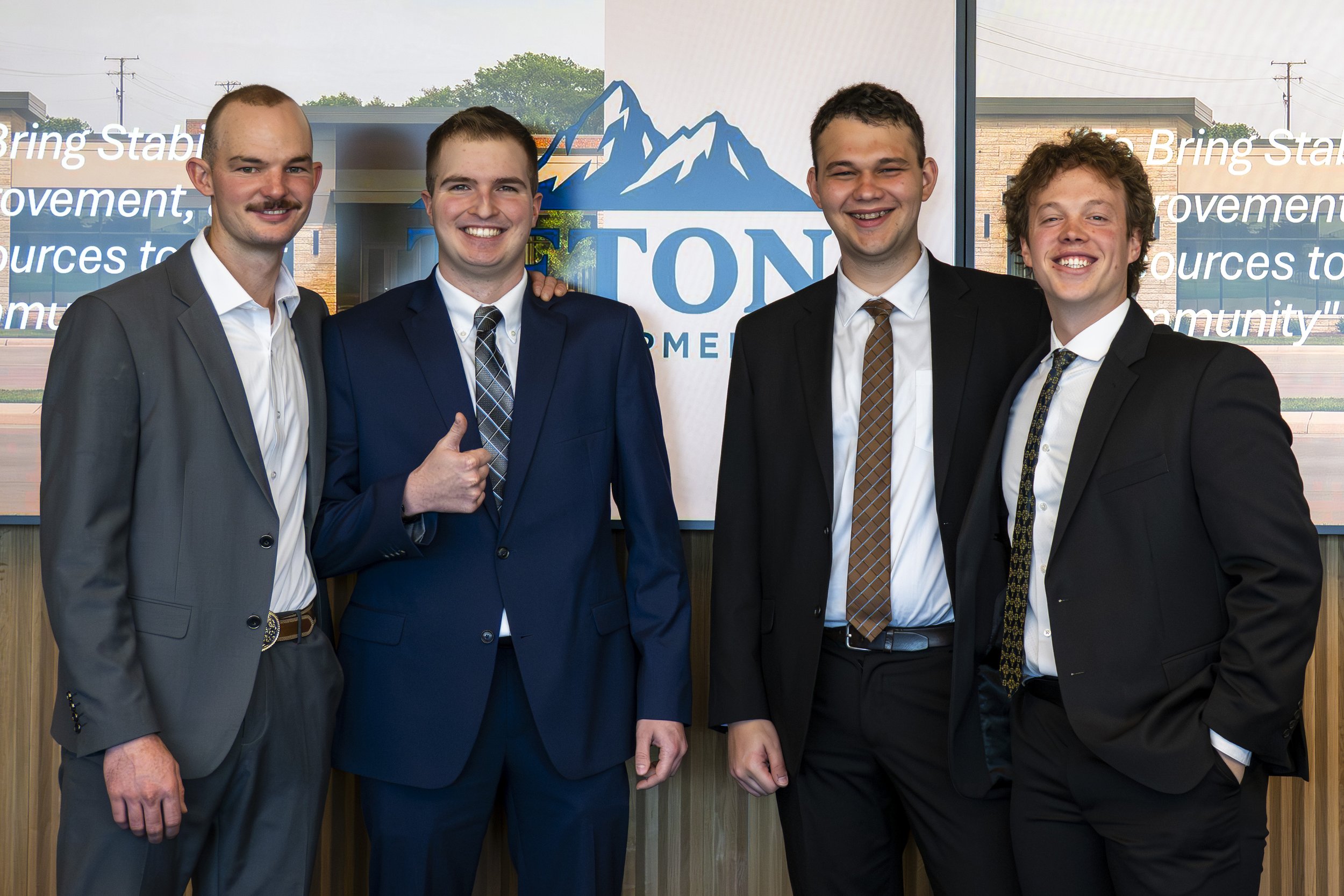
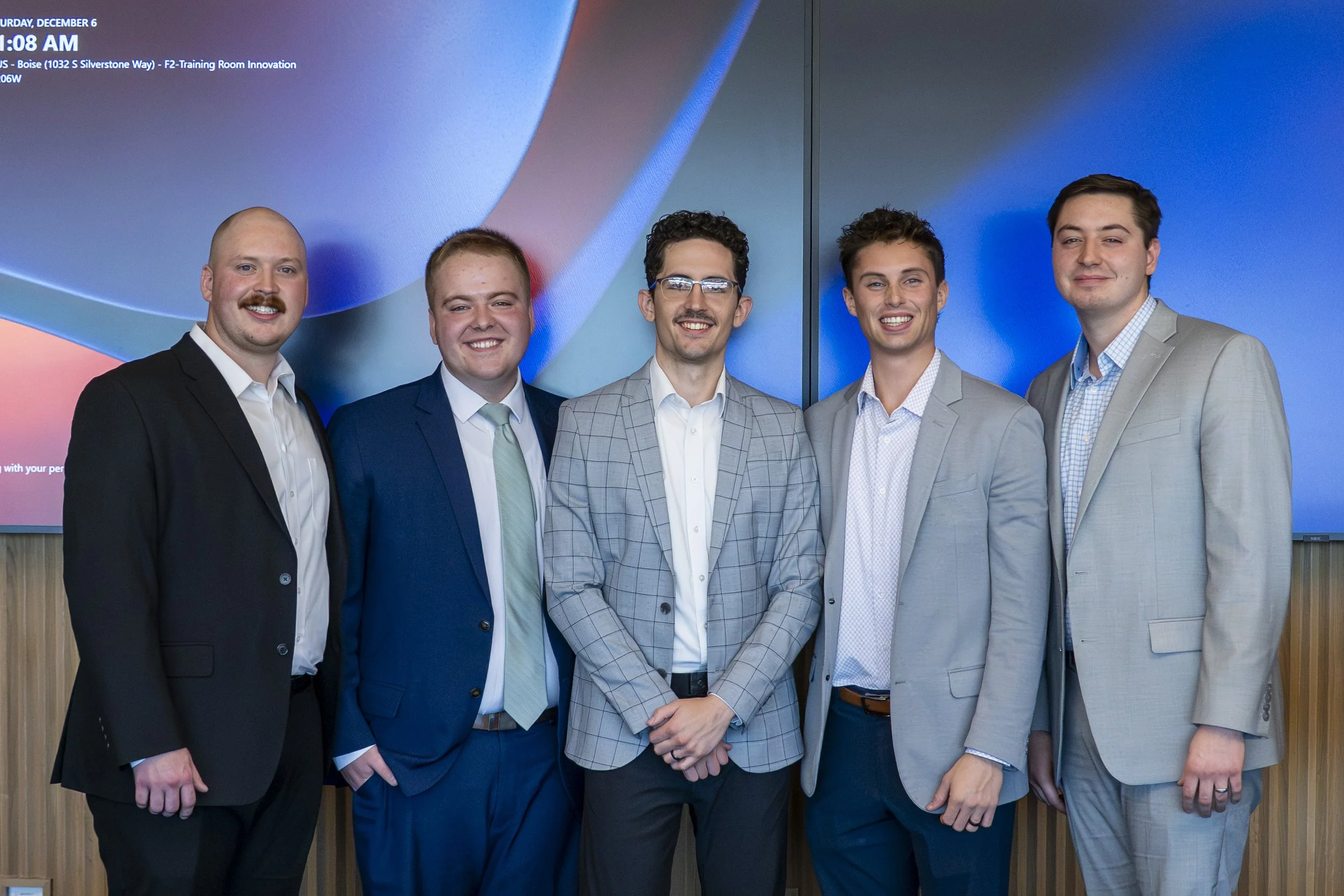
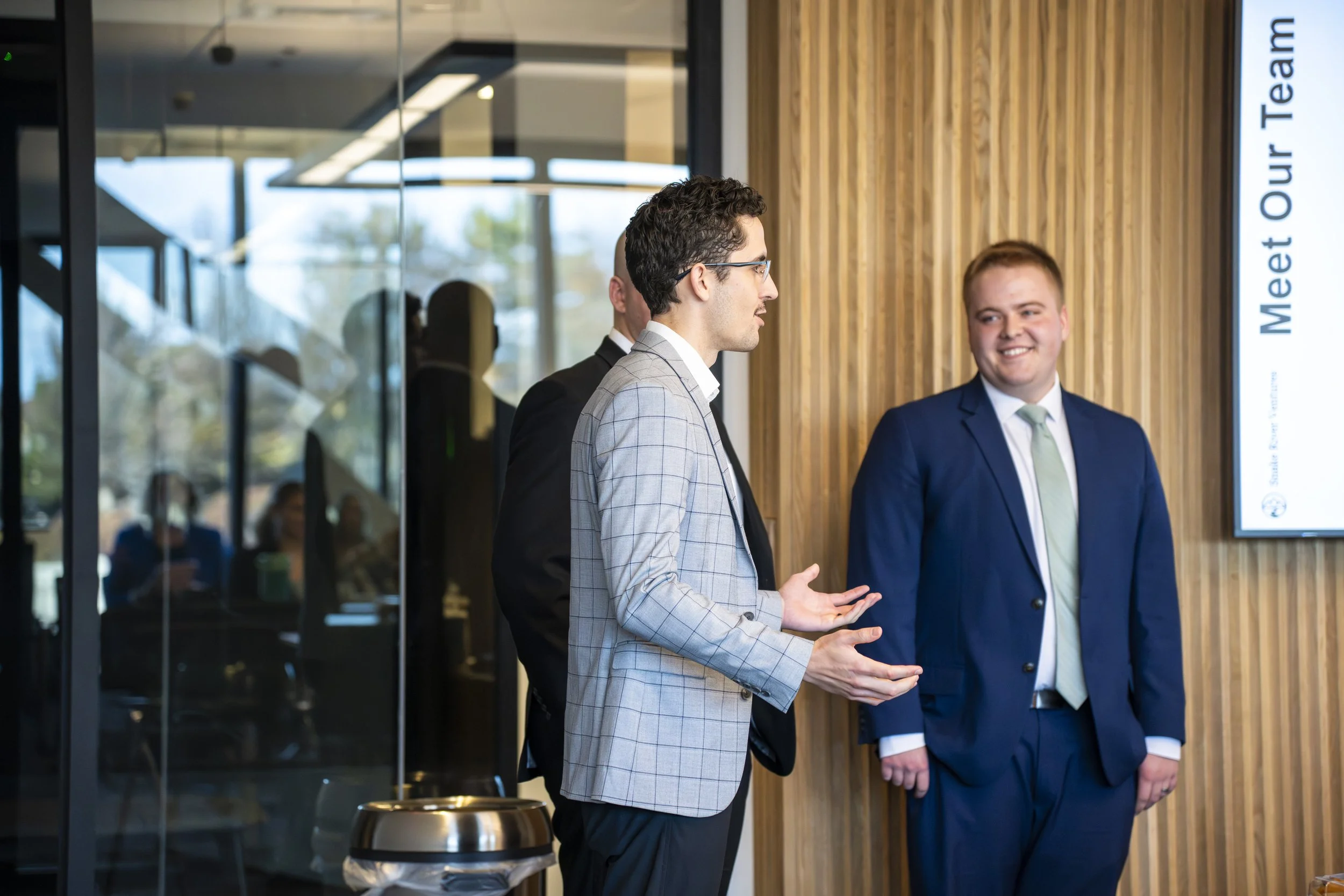
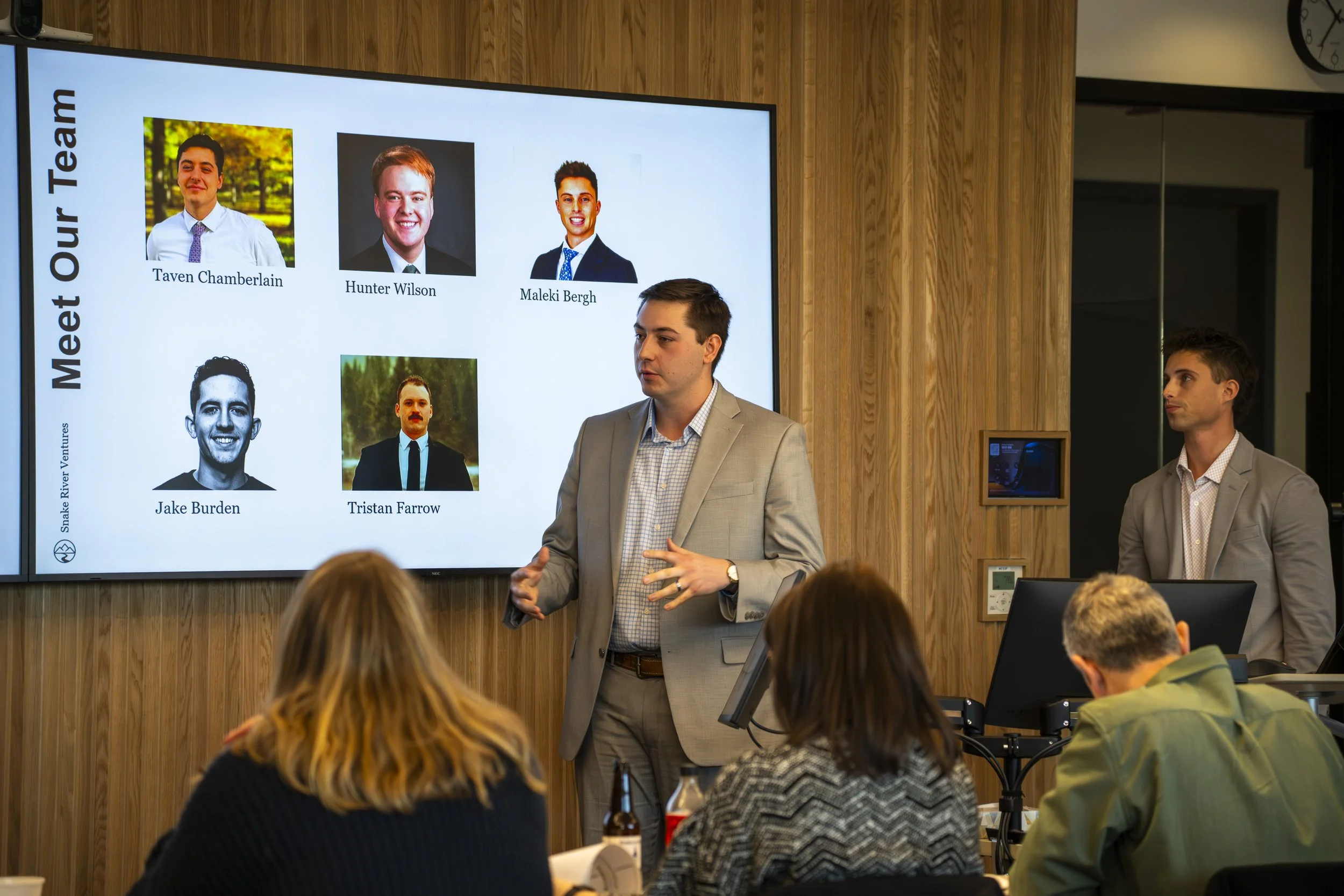
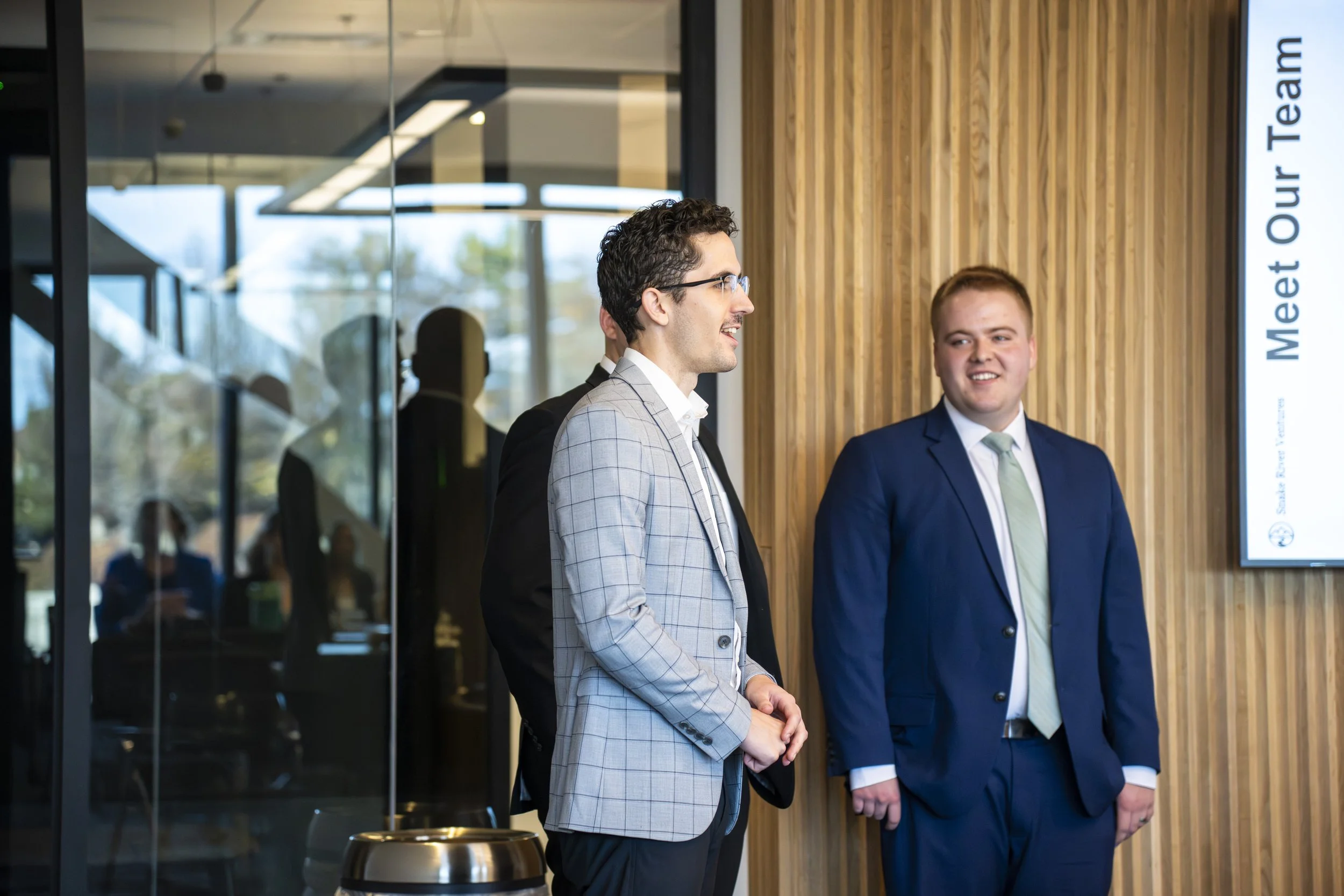
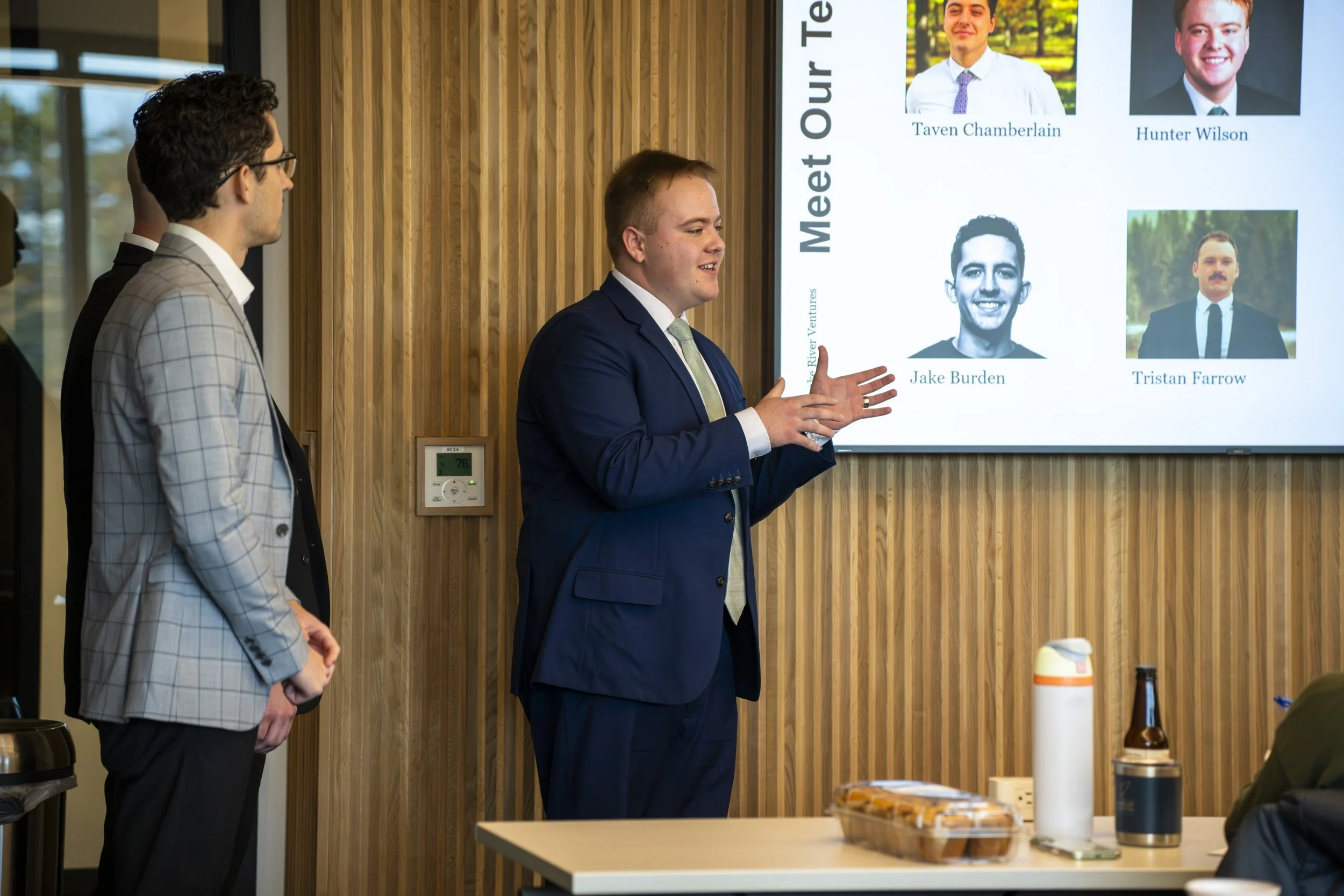
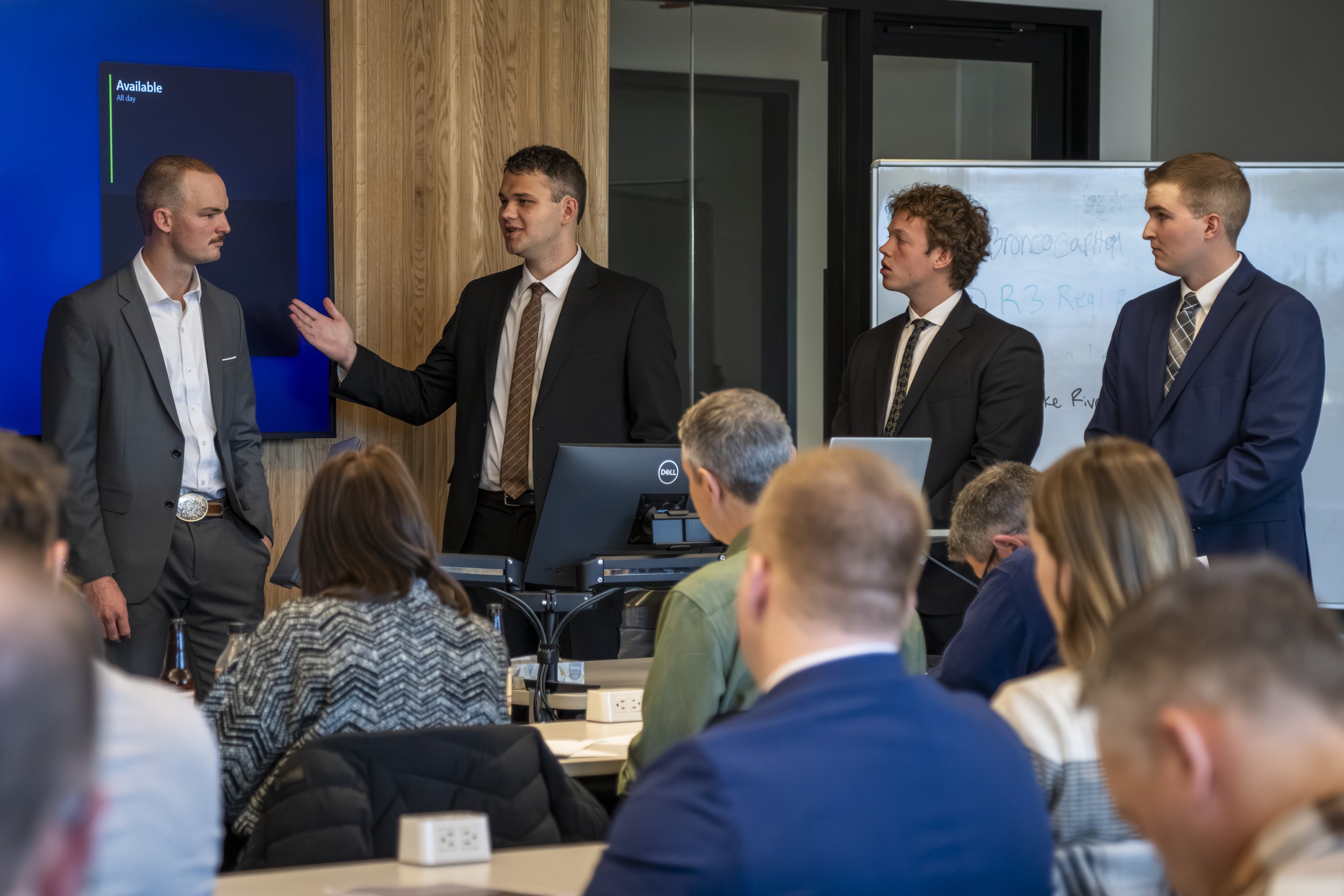
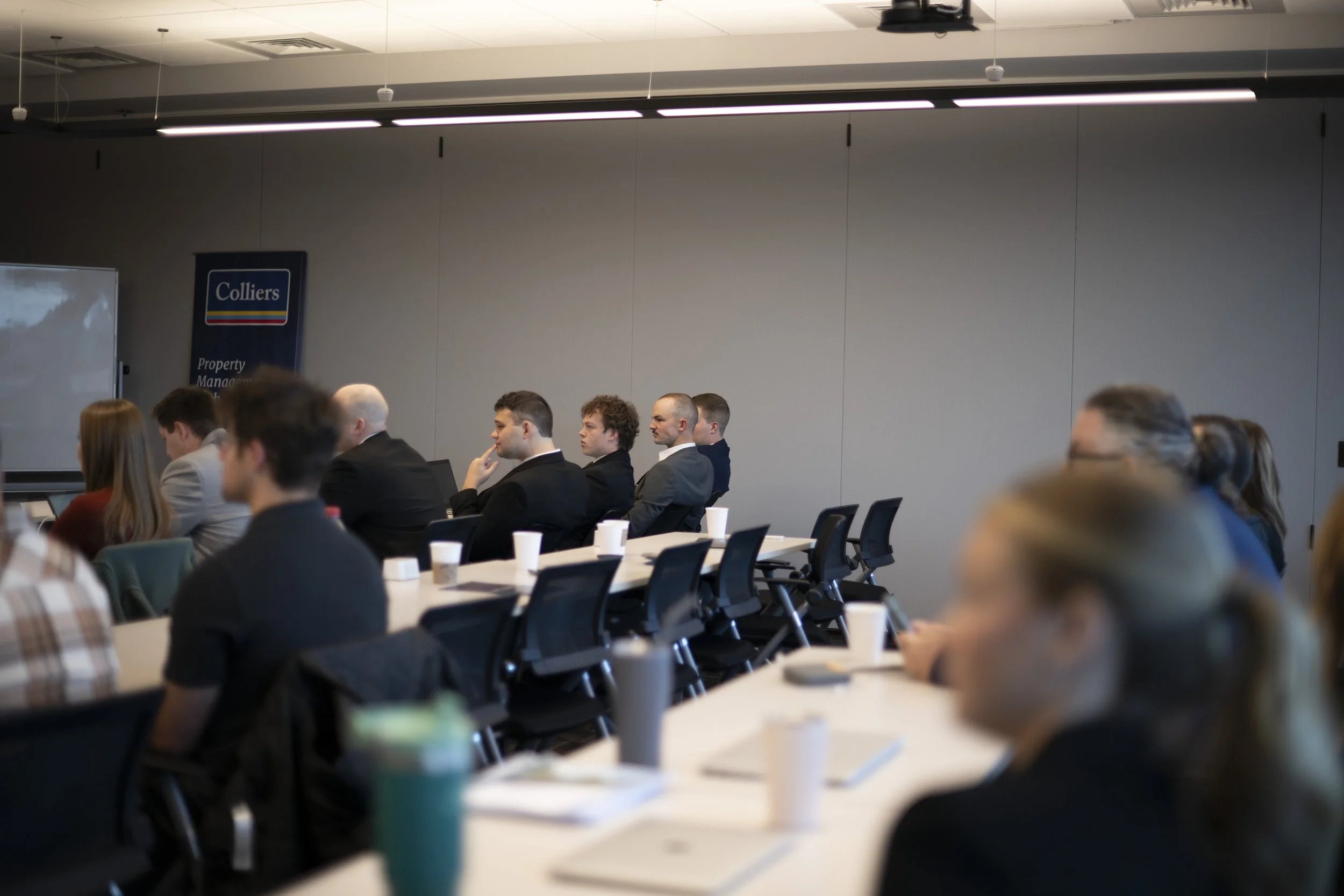
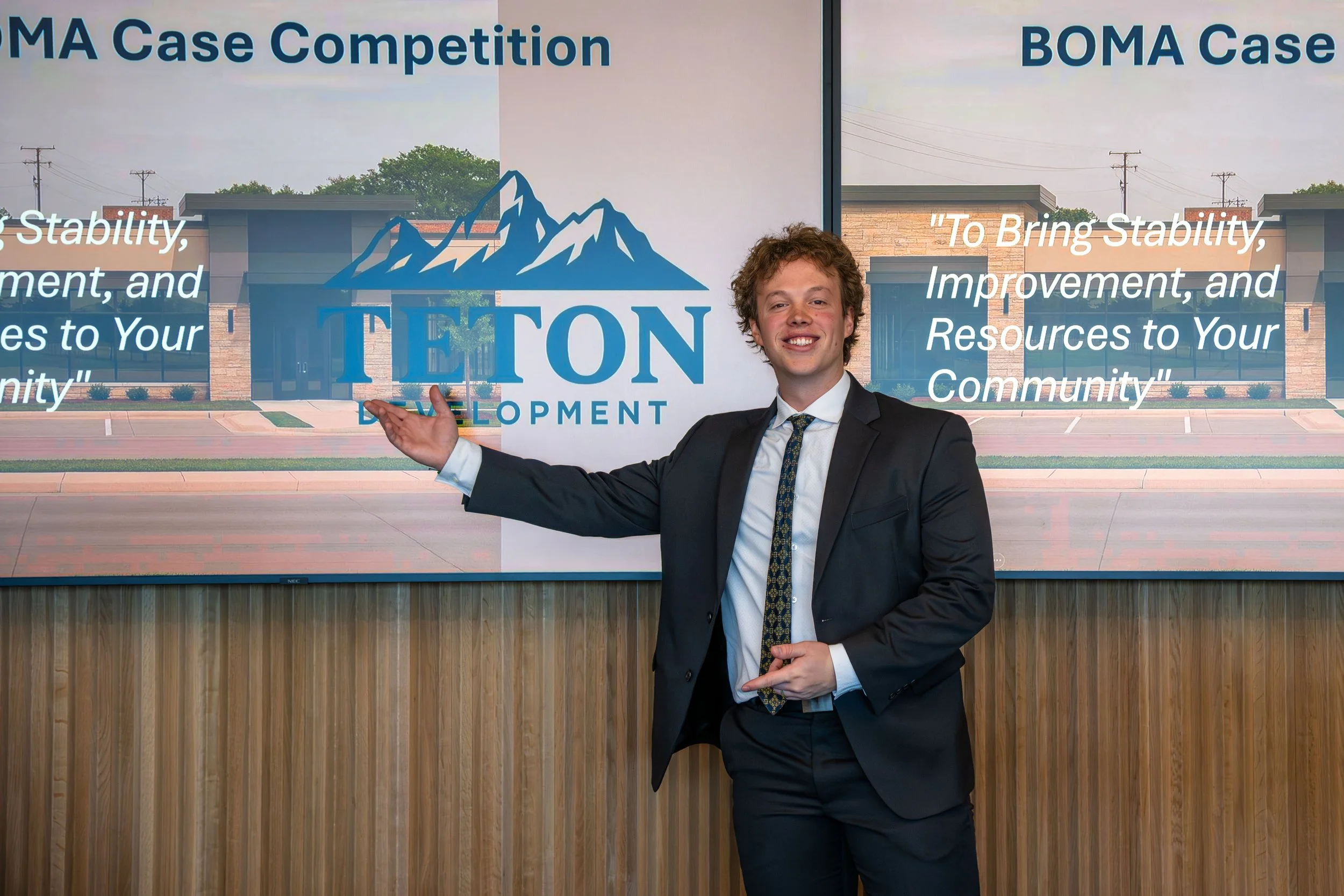
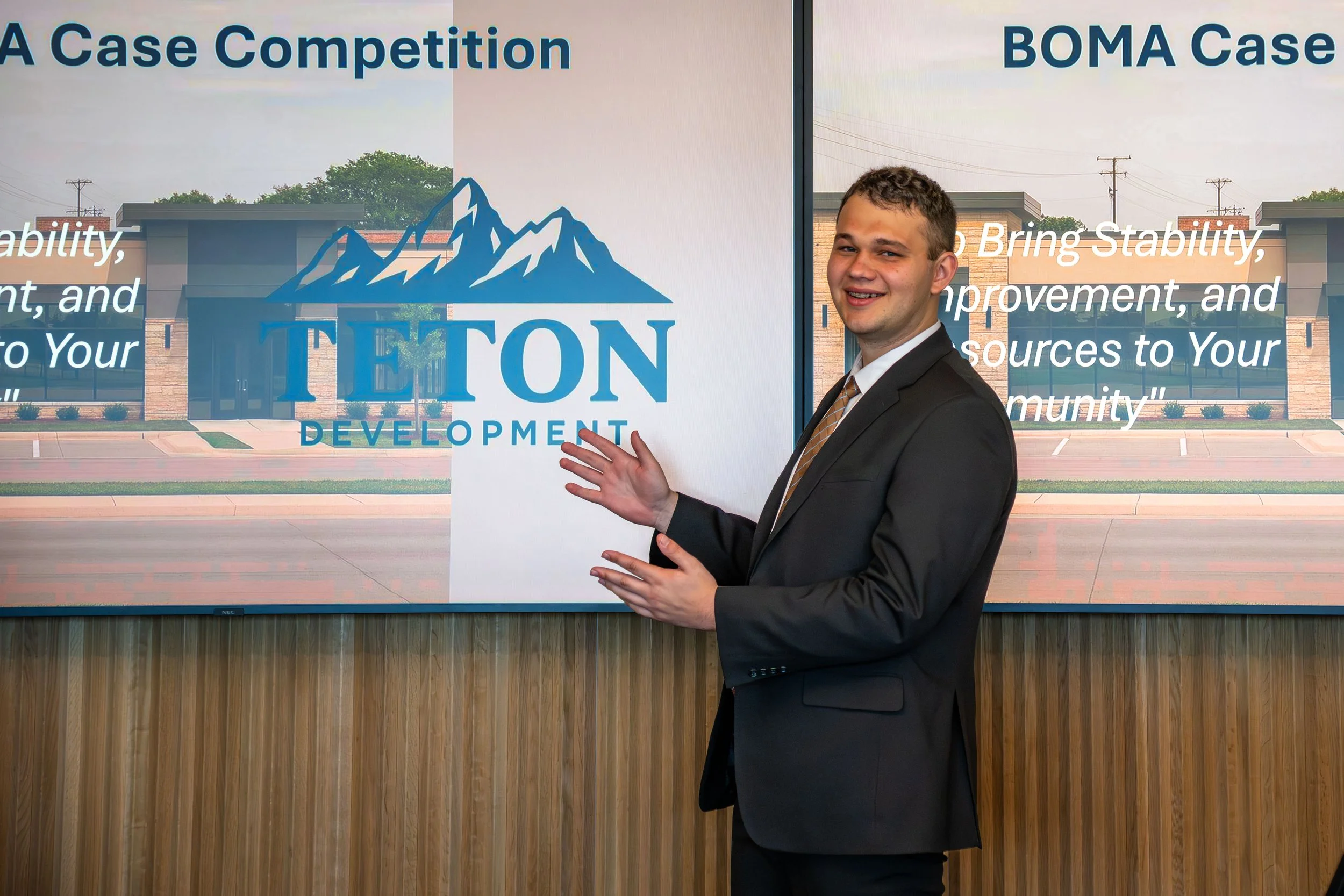
This year’s competition included teams from Boise State University and BYU-Idaho, with students representing disciplines including business, finance, marketing, economics and civil engineering. The competition doubled in size from its first year, which is exactly what I was hoping would happen.
But for me, the highlight was watching one particular team from Boise State.
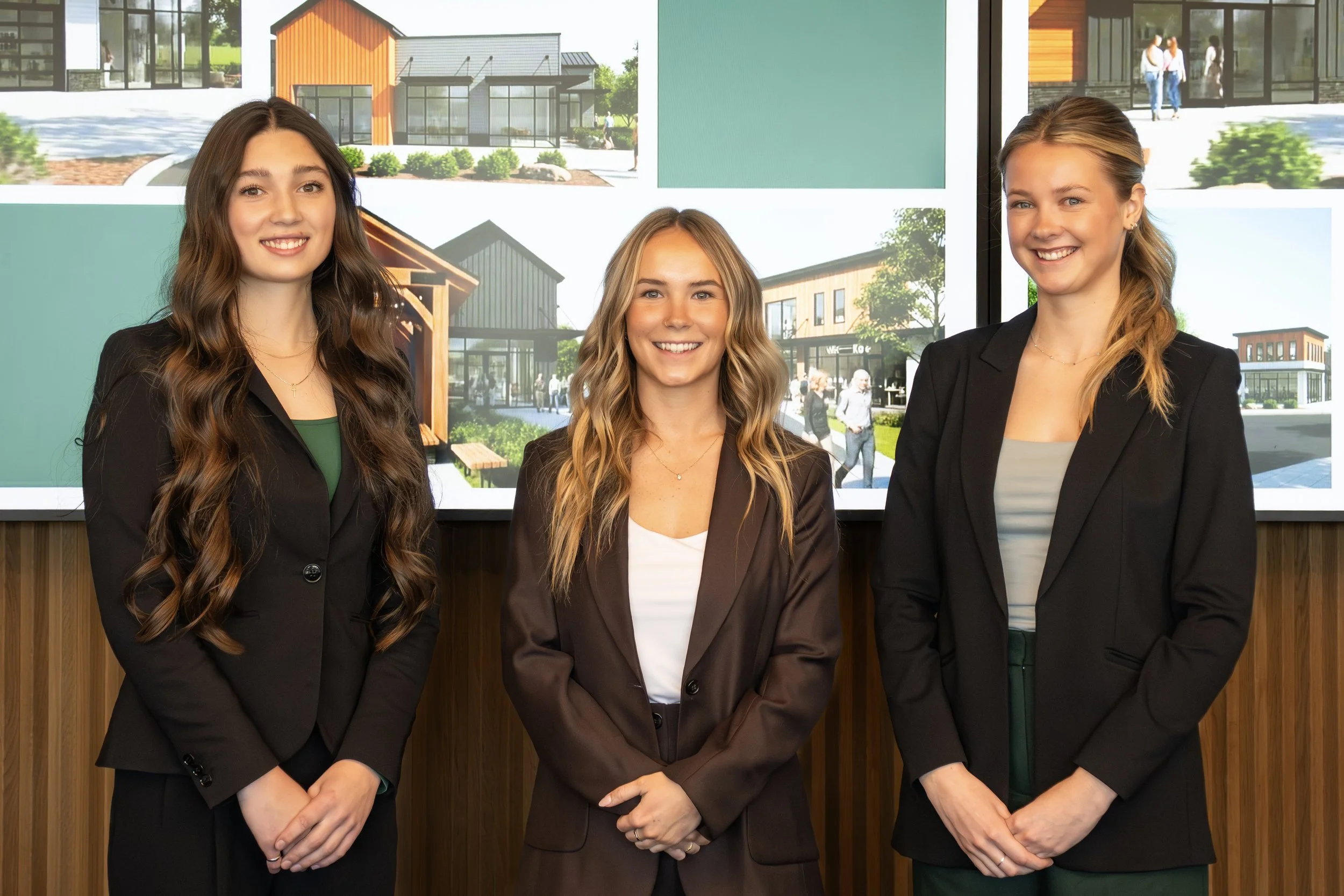
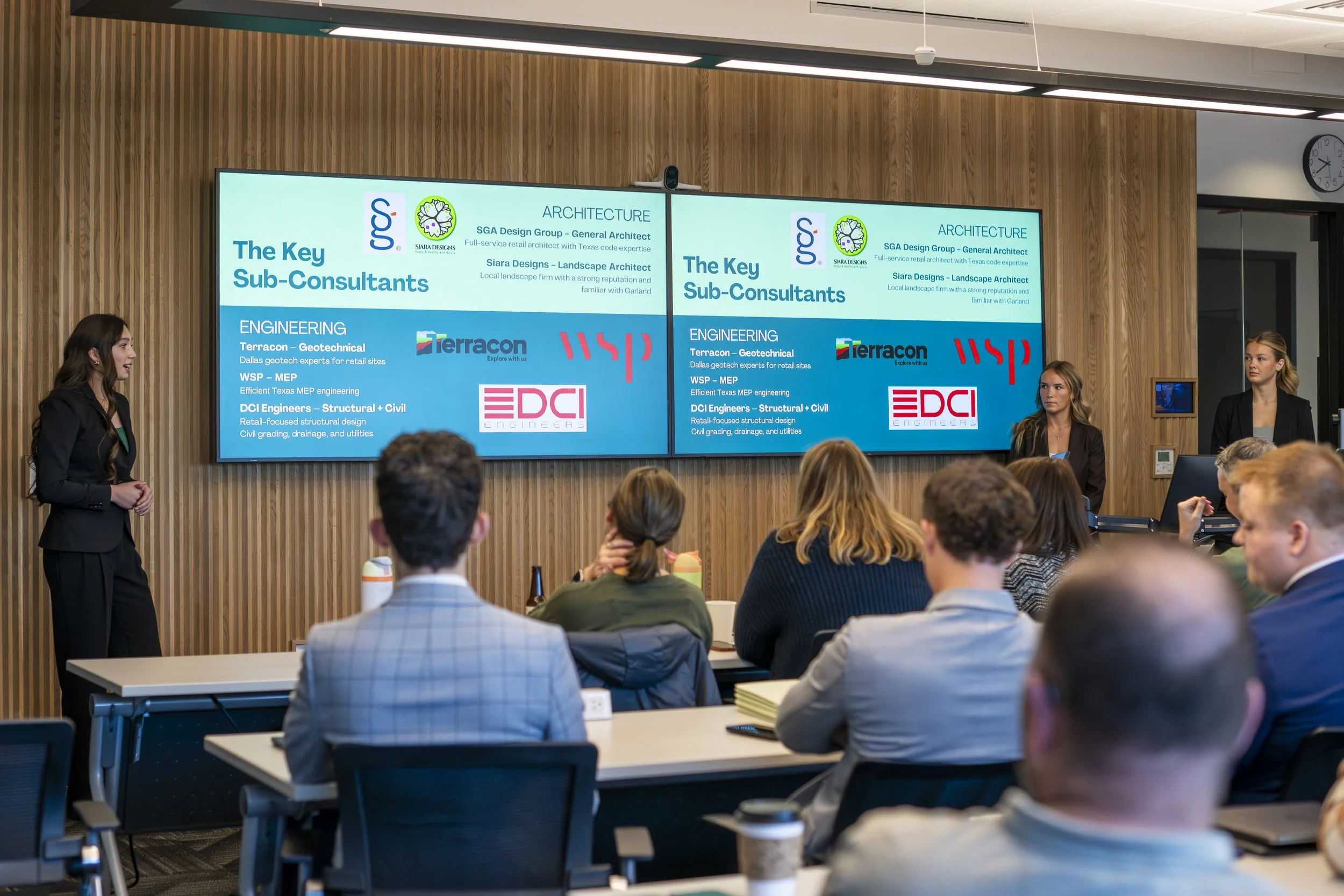
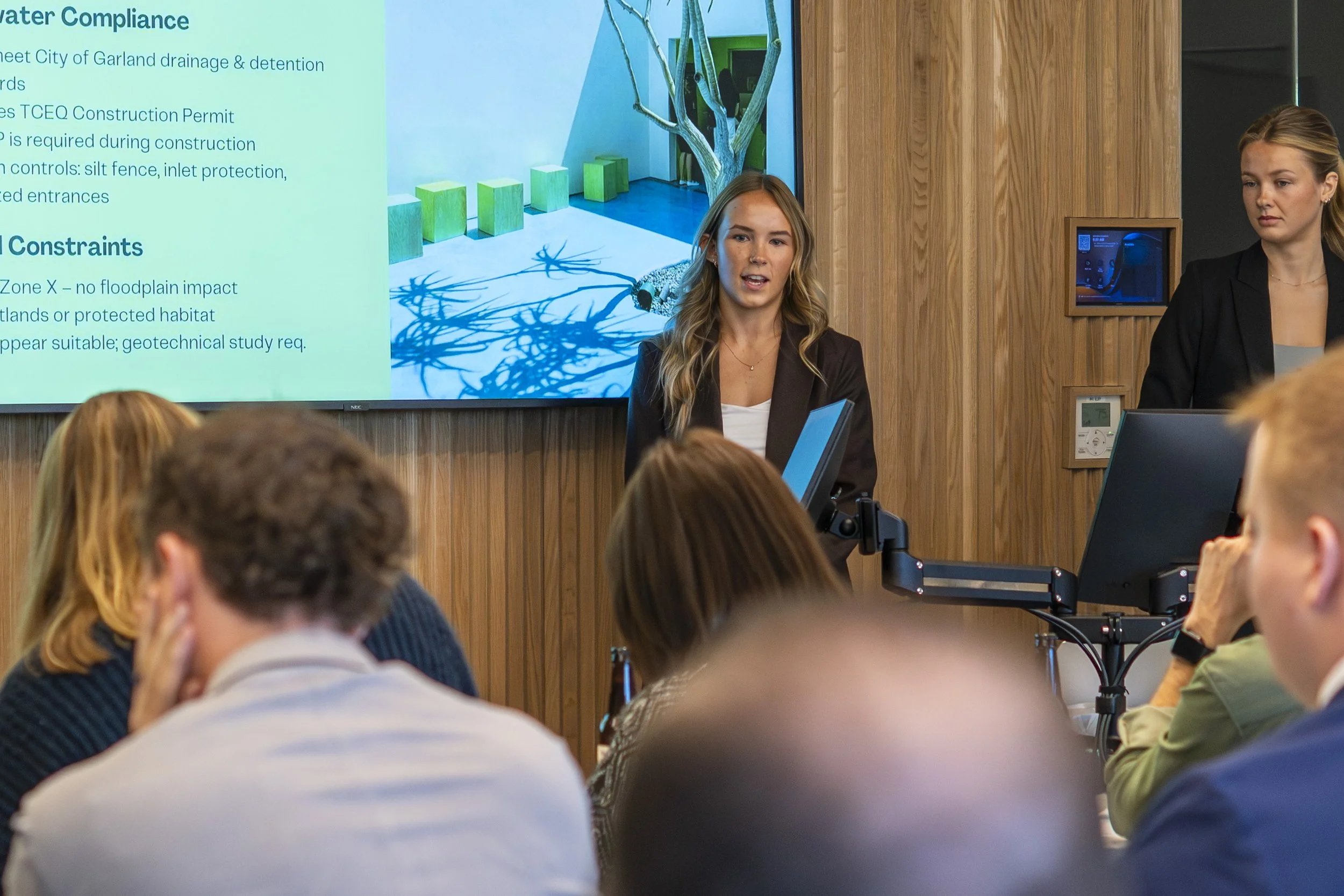
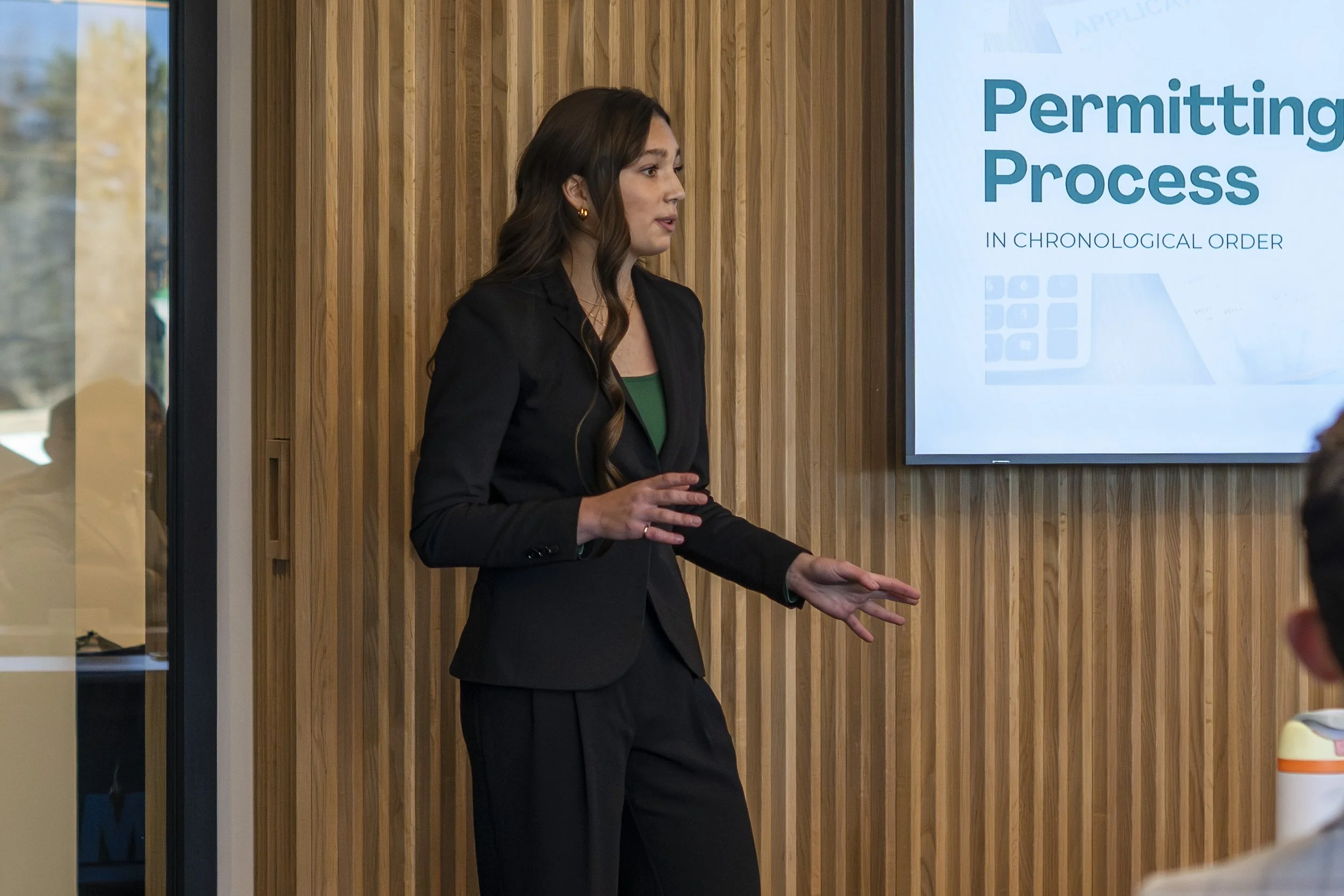
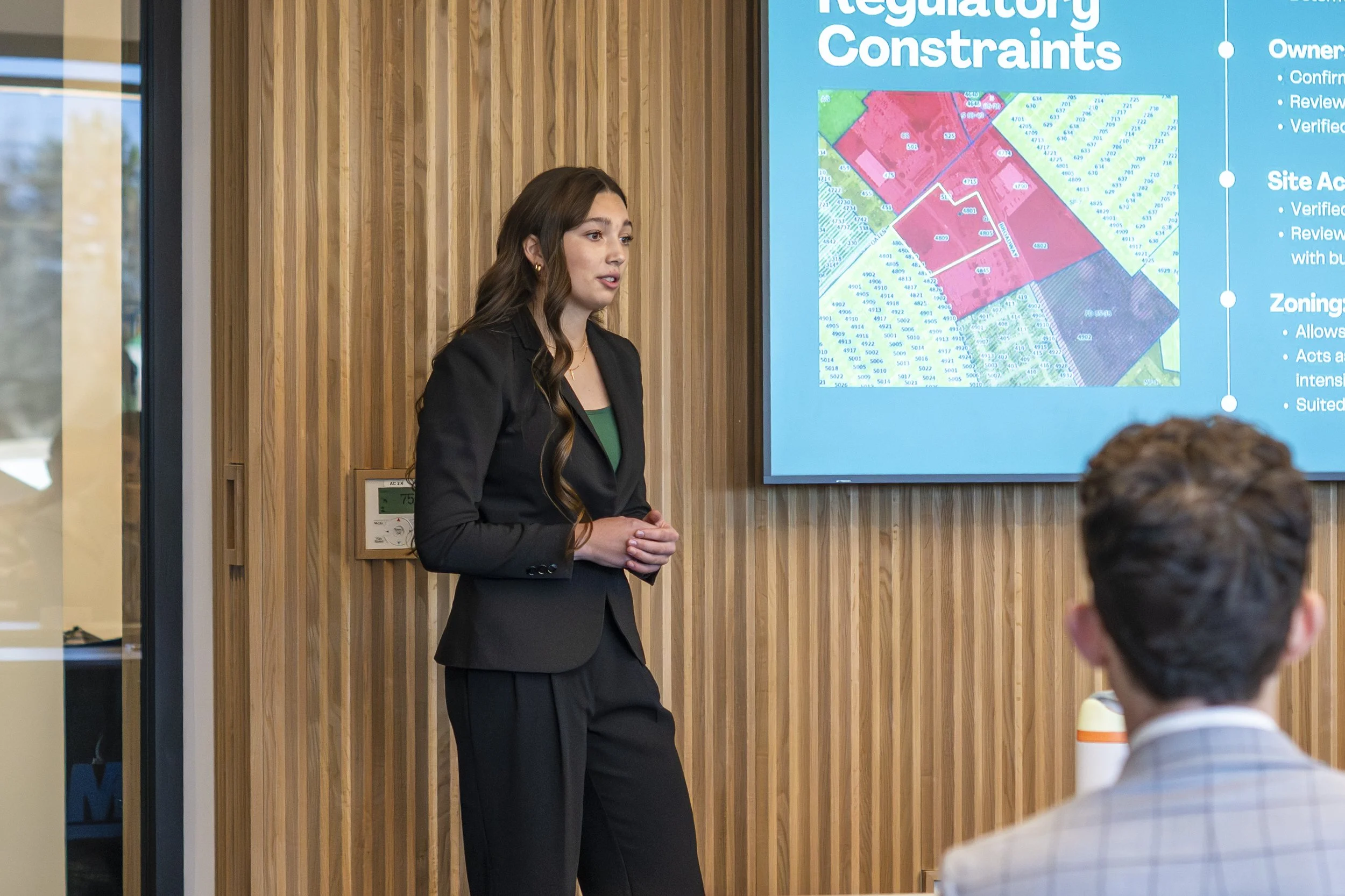
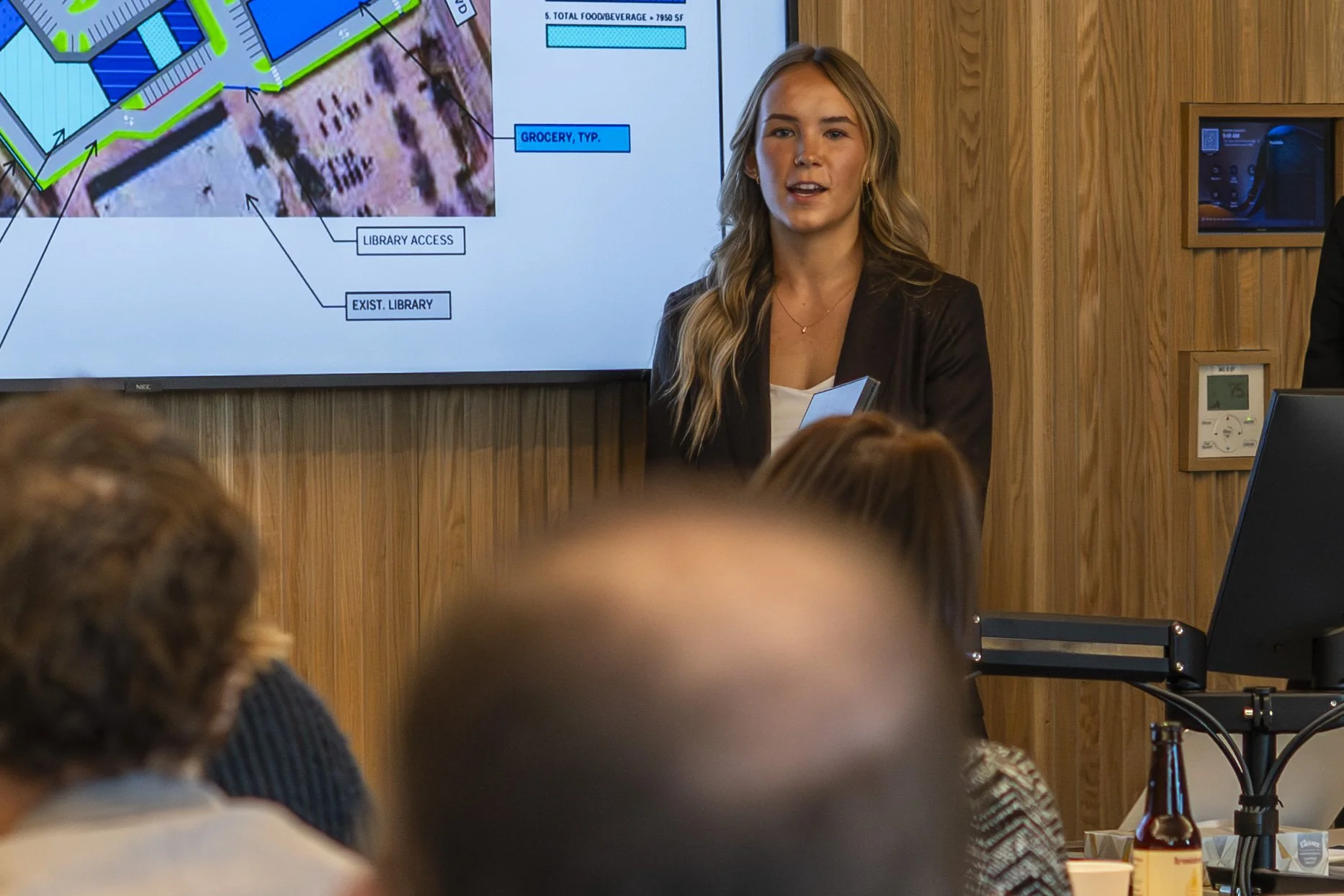
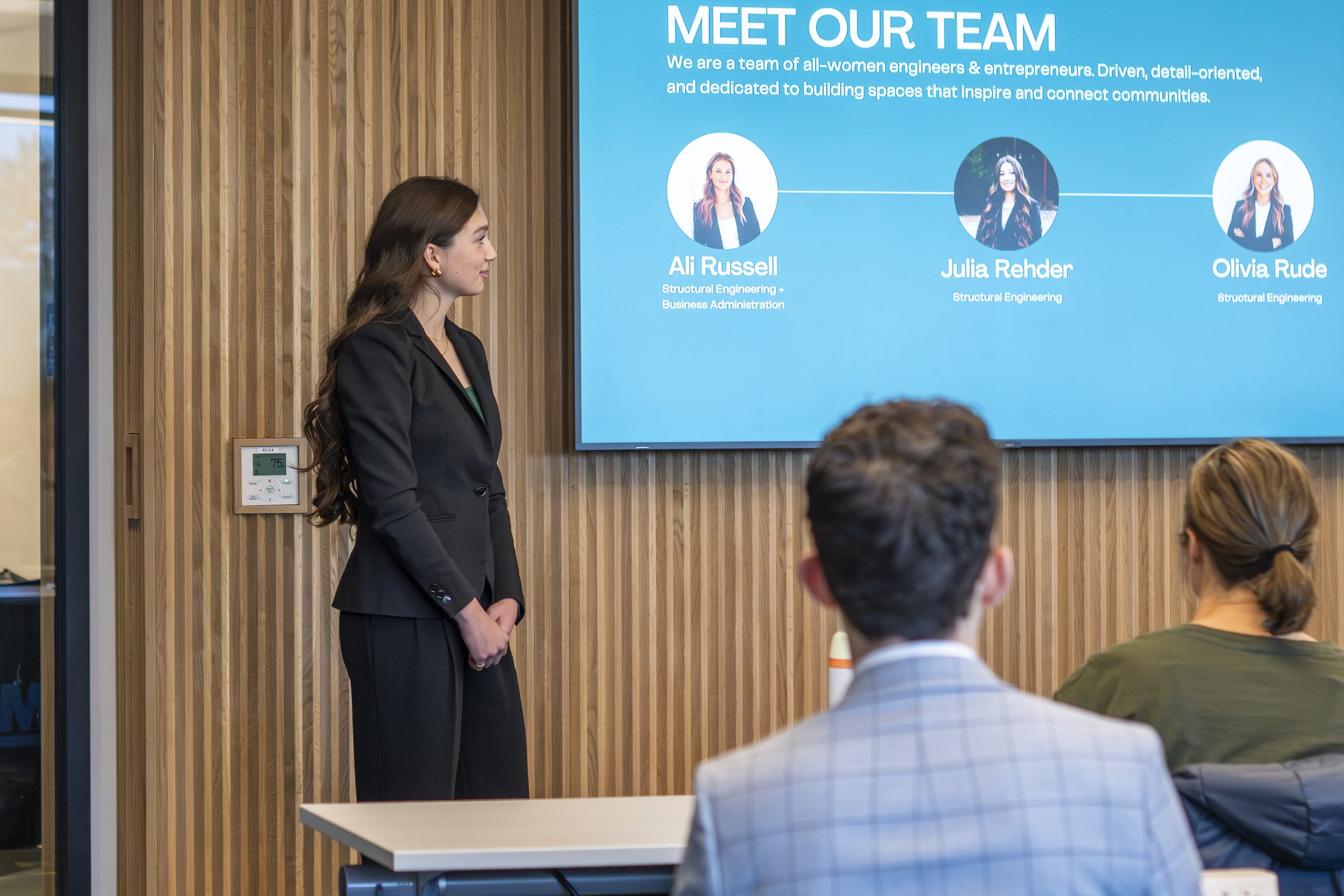
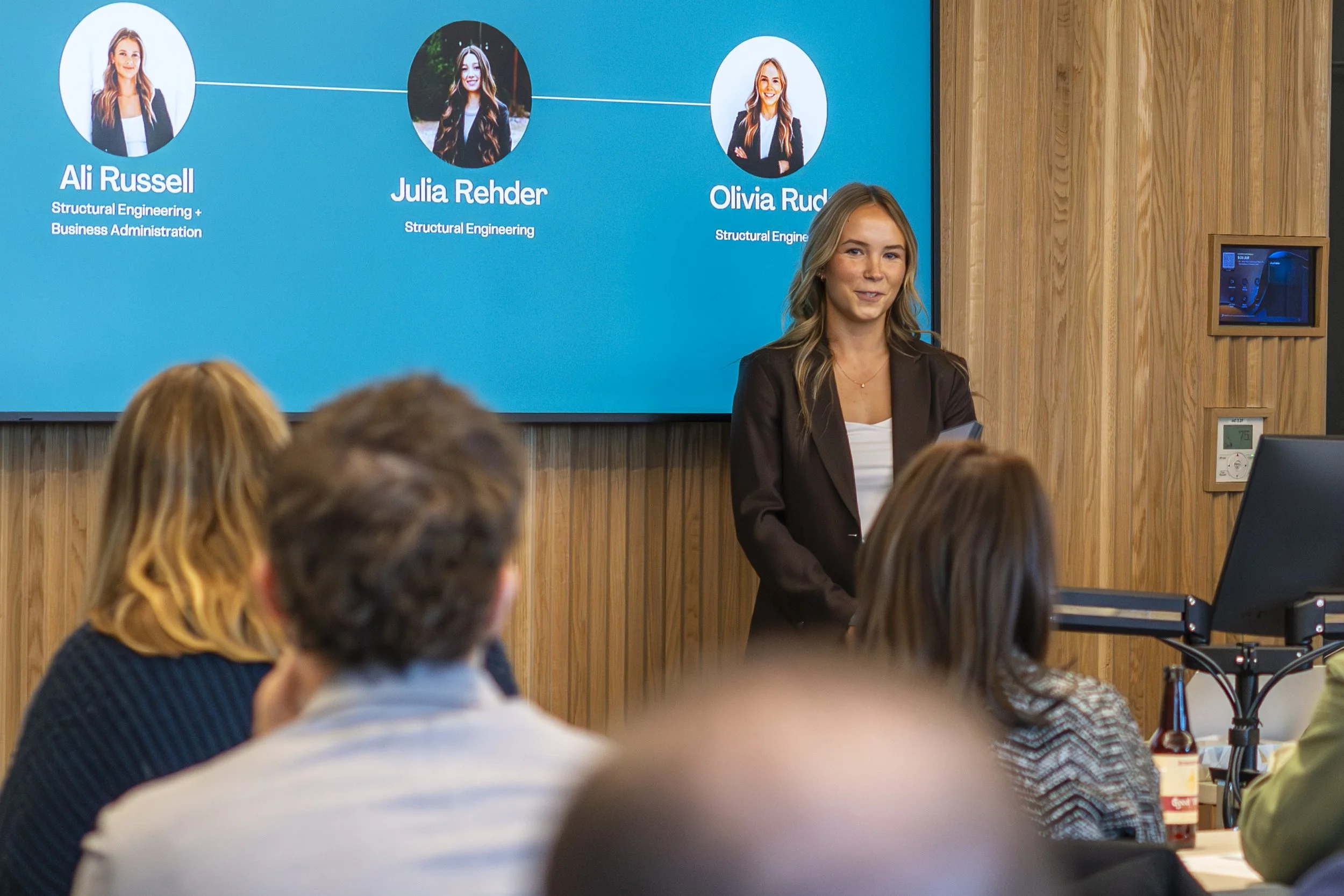
My colleague at WSP, Aly Russell, competed as a structural engineering student alongside three other female engineering students.
And holy shit, did they show up.
These three women put an incredible amount of work into their project. They took the problem seriously, worked their asses off, and put together a presentation that came within less than one point of winning the entire competition.
I couldn't have been more proud.
And yes, before anyone asks, I did not judge this year.
I recused myself because I knew damn well I wasn't going to be impartial. I know Aly. I know how hard she worked. And I knew that if she walked into that room and absolutely crushed it, I was going to be sitting there thinking, Holy shit, look at her go.
Probably not exactly the objectivity we were looking for in a judge.
The funny thing is, winning isn't really the point.
The point is putting students in a room with people from the industry and forcing them to think like developers, owners, consultants and investors. It's giving them a chance to screw something up, defend an idea, answer uncomfortable questions and realize that the people sitting across the table aren't actually that scary.
It's also a hell of a good way for our industry to meet the people who might be sitting across the table from us professionally five or ten years from now.
That's the part I'm most excited about.
I want to see this thing continue to grow. More schools. More disciplines. More weird combinations of students who probably wouldn't normally end up on the same team.
Because that's what real estate development looks like.
A bunch of people with completely different backgrounds sitting around a table trying to figure out how the hell to make a project work.
I'm really proud of what this competition has become after only two years.
And I'm even more excited about what it could become.
Congratulations to all of the students who competed this year. And Aly—I'm incredibly proud of you.
You guys were less than one point from winning.
Looking forward to the 2026 Case Competition.